This is the part that hardly anyone explains. Heat treatment can mean several quite different setups, and it is easy to mistake one for the next. Electric heaters are the cheapest of them, which is why a lot of companies run them. They cost somewhere in the region of $25,000-$30,000, yet a single unit manages only 36,000 to 70,000 BTUs and pulls nearly the whole electrical supply of a home while doing it. They are also slow. It can take better than two hours for electric units to bring a home up to a killing temperature, and a slow climb gives the bugs time to feel the change coming and move deeper into the walls, where the heat may never get to them at all. Propane is the stronger option. Direct-fired propane units can put out as much as 900,000 BTUs, but they are burning fuel inside your living space, giving off carbon dioxide and humidity the whole while, and heat that concentrated has melted fridge handles, warped vinyl floors, and charred wood furniture. Indirect-fired propane is easier on the air but a good deal weaker, around 80,000 BTUs to a unit, so a home wants eight or more of them and a long line of propane tanks, and most companies arrive with three.
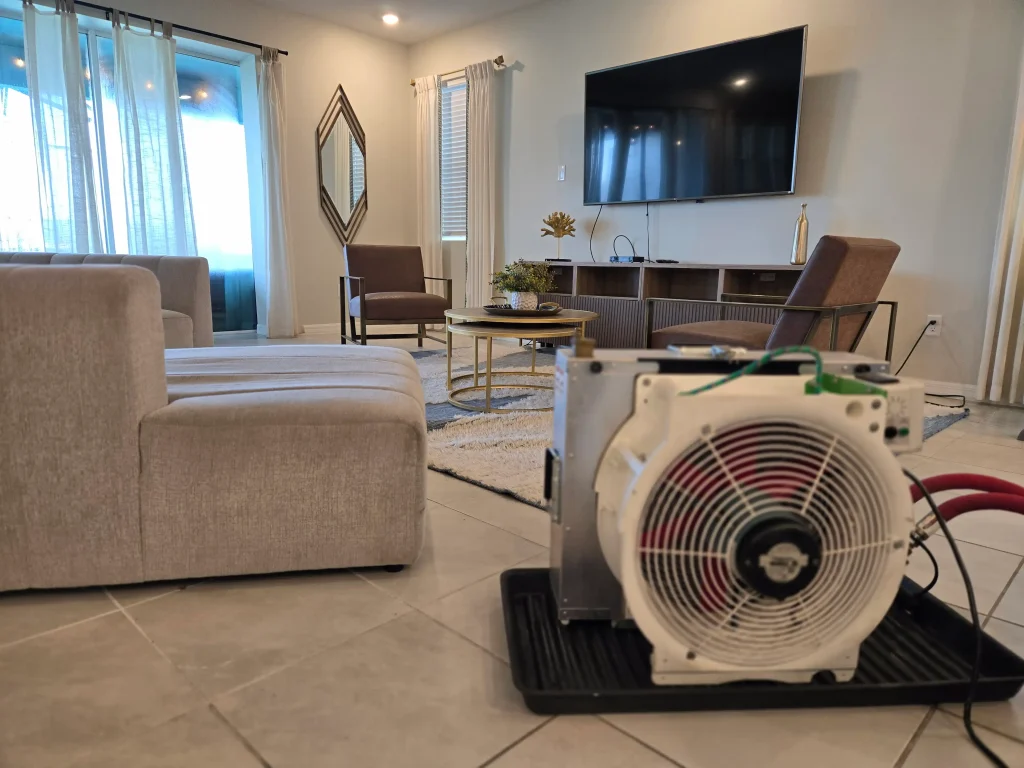
Our system is called Heat Assault, and it runs on a different principle altogether. It is a sealed 660,000 BTU boiler heating a food-grade glycol, a fluid rather than a flame, which gets pumped out to as many as nine heaters through the home. The fluid is held at a set temperature, somewhere between 205°F and 100°F according to the size and insulation of the house, so the heat arriving in each room is even, and nothing at all is burning inside the home while it works. Most houses are past 120°F inside the first half hour and can be brought up toward 140°F within the hour. Heat like that soaks into wall voids, mattresses, and furniture, the very places sprays never quite reach, and it takes the eggs right along with the adults. The equipment runs well past $100,000, and that price is most of why more companies do not own one.