
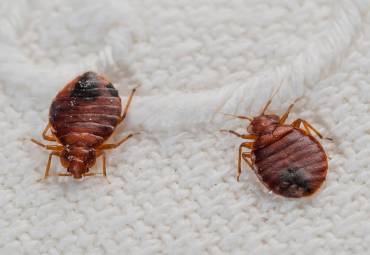
Bed bug extermination starts with finding the bugs, choosing a treatment plan, and preparing your home. The price depends on that plan and your property. This guide explains the methods, the treatment process, and the questions to ask before agreeing to a quote.
Bed bug bites can cause itching and allergic reactions, but bed bugs have not been shown to transmit disease. The EPA’s bed bug health guidance also describes sleep disruption and skin infections linked to bite reactions.
What is bed bug extermination?
Bed bug extermination means treating an infestation to remove bed bugs. Finding the bugs and their hiding places comes first. Bites alone are a poor way to identify an infestation, according to the EPA’s guide to finding bed bugs.
Methods of bed bug extermination
Treatment may combine heat, targeted pesticide application, and monitoring. The right plan depends on where the bugs are hiding and the extent of the infestation.
- Heat treatment: Professionals use equipment to heat affected areas. BBS uses whole-home heat at 140°F with targeted spray. Read about our bed bug heat treatment before your appointment.
- Pesticide application: Use products registered for bed bugs and follow the label. Treatment may need follow-up if bugs survive or eggs hatch.
- Steam and cold treatment: These can help treat suitable items or surfaces. Their success depends on the equipment and how they are used; they may not remove an entire infestation.
The EPA’s bed bug treatment guidance explains these methods and their limits. It warns against trying to heat a home with a thermostat, propane space heater, or fireplace.
The process of bed bug extermination
Inspection and identification
Look for live bugs, shed skins, eggs, and dark or reddish marks near sleeping areas. Identification comes first. Have suspected bugs identified before choosing a treatment. The EPA’s identification guidance shows common signs and hiding places.
Preparation
Follow the treatment team’s instructions for your property. Ask what to do with belongings, heat-sensitive items, and pets. Avoid moving untreated items into other rooms without advice. Use the BBS treatment preparation checklist and check any unclear steps with the team.
Treatment and follow-up
The team carries out the agreed treatment plan. Ask when you can return, how to clean afterward, and what signs to report. Keep checking for activity: the EPA recommends monitoring after treatment and notes that retreatment may be needed.
Prevention
Check used furniture before bringing it home, reduce hiding places, and handle laundry carefully. See the EPA’s home prevention guidance. These steps reduce risk; they do not promise that bed bugs can never return.
What should you ask about treatment costs?
Get a quote for your property rather than relying on a general online price range. Ask which areas need treatment, which methods the quote includes, and what preparation or follow-up is required.
Before booking, ask about inspection charges, any extra visits, and the written guarantee terms. Confirm what is included and what could change the total. This article does not publish a BBS price list or promise that every job has a single charge.
Get a free bed bug treatment quote to discuss your property with BBS.
Are there risks associated with bed bug extermination?
Heat and pesticides require care; professional treatment is not risk-free. Follow preparation and re-entry instructions, and tell the team about concerns before work begins. The EPA’s treatment safety advice explains why unsafe heating and pesticide misuse can harm people.
Choosing professional bed bug treatment
Ask for a clear plan, preparation instructions, follow-up arrangements, and written terms. Read customer reviews of BBS bed bug treatment as part of your decision. BBS specializes in bed bugs; contact the team to discuss treatment for your home or business.