Pest Extermination Methods in Marshall, MI
Pest extermination is essential to maintaining a healthy and hygienic environment in Marshall, MI.
Various methods are used to eliminate pests such as rodents, insects, and other critters. Each method has its benefits and limitations, and it is essential to choose the right one for your situation.
This article will discuss the most common pest extermination methods in Marshall, MI, and the benefits of each.
Chemical Extermination
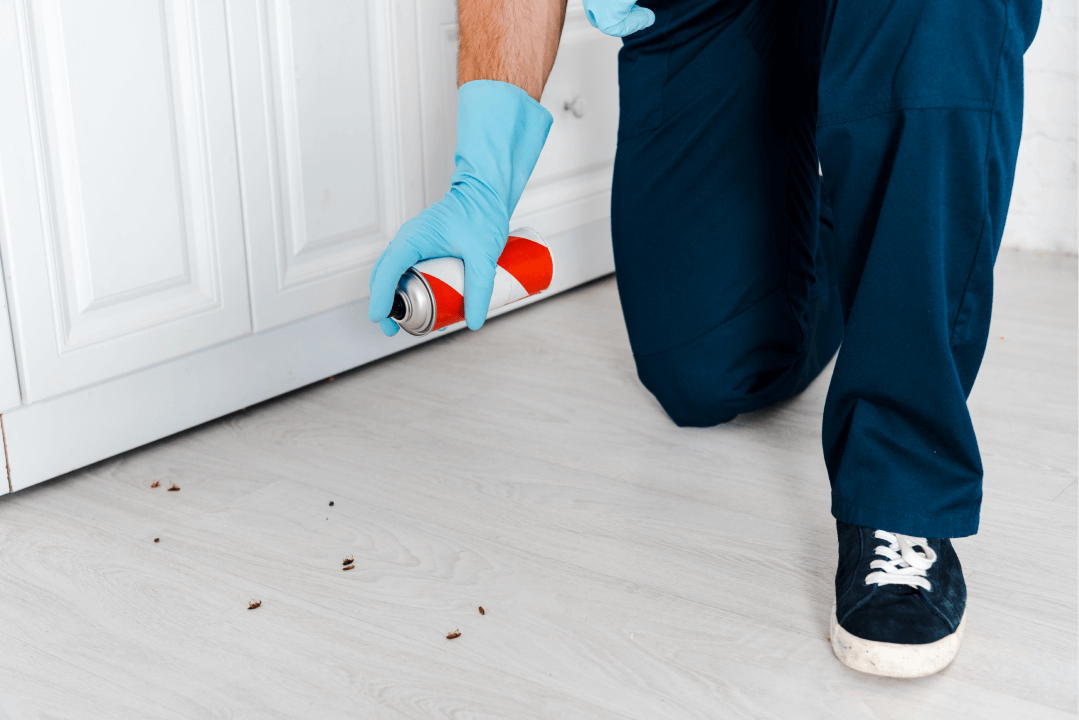
Chemical extermination is one of Marshall, MI’s most common pest control methods. This method involves the use of pesticides to kill pests.
Benefits:
- Effectiveness: Chemical extermination is one of the most effective pest control methods, as it can quickly kill several pests.
- Affordability: Chemical extermination is one of the most affordable pest control methods, making it accessible to many.
- Efficiency: Chemical extermination is a fast solution to pest control problems, as the pesticides work quickly to kill pests.
Cons:
- Health Concerns: Chemical extermination can harm humans and pets if used incorrectly. It is essential to follow the instructions carefully to avoid accidental poisoning.
- Residue: Pesticides can leave environmental residue, harming wildlife and the ecosystem.
- Resistance: Over time, pests can develop resistance to certain pesticides, making them less effective in controlling their populations.
Trapping
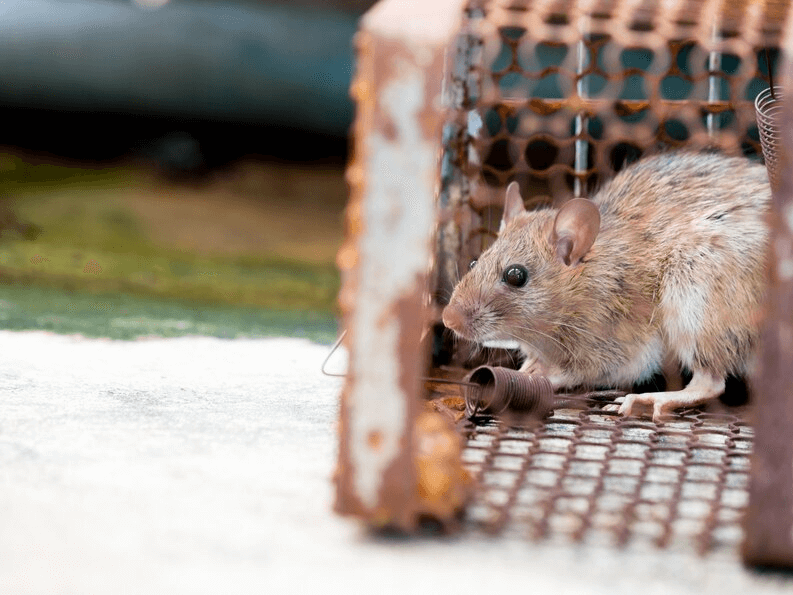
Trapping is another typical method of pest extermination. This method involves using traps to catch pests such as mice and rats.
Benefits:
- Safety: Trapping is a safe method of pest control, as it does not use harmful chemicals.
- Effectiveness: Trapping controls pest populations, as it can quickly and efficiently catch pests.
- Environmentally Friendly: Trapping is an environmentally friendly alternative to chemical extermination, as it does not use harmful chemicals.
Cons:
- Time-Consuming: Trapping can be time-consuming, as you need to check the traps and dispose of any pests caught regularly.
- Limited Effectiveness: Trapping is ineffective for controlling large populations of pests, as it can only catch a limited number of pests at a time.
Baiting

Baiting is a method that involves using food to lure pests into traps or stations. Once the pests have taken the bait, they are killed by a poison or other substance.
Benefits:
- Ease of Use: Baiting is a simple and easy pest control method, as you only need to set the bait and wait for pests to take it.
- Targeted Pest Control: Baiting allows you to target specific pests, as you can choose the type of bait that attracts the particular pest you want to control.
Cons:
- Accessibility: Baits need to be kept out of reach of children and pets to avoid accidental poisoning.
- Limited Effectiveness: Baiting is not practical for controlling large populations of pests, as it can only kill a limited number of pests at a time.
Physical Exclusion
Physical exclusion is a method that involves blocking or sealing entry points for pests. This method prevents rodents and insects from entering a home or building.
Benefits:
- Safety: Physical exclusion is a safe pest control method, as it does not use harmful chemicals.
- Long-term Effectiveness: Physical exclusion is a long-term solution to pest control, as pests will be unable to enter the premises once the entry points are sealed.
- Environmentally Friendly: Physical exclusion is an environmentally friendly alternative to chemical extermination, as it does not use harmful chemicals.
- Cost-Effective: Physical exclusion can be a cost-effective solution to pest control, as it does not require using any chemicals or traps.
Cons:
- Time-Consuming: Physical exclusion can be time-consuming, as you need to inspect the premises.
- Requires Expertise: The method requires expert experience to ensure all entry points are properly sealed.
Biological Control
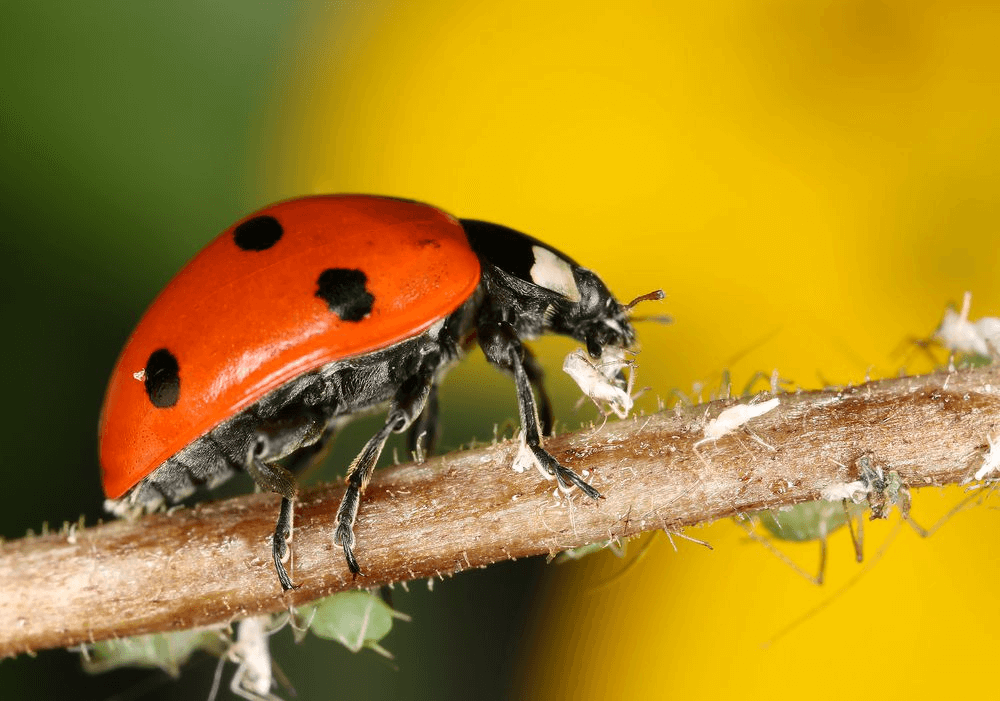
Biological control is a pest extermination method that uses natural predators and parasites to control pest populations.
This method involves introducing natural predators, such as ladybugs, into an environment to control pests such as aphids.
Benefits:
- Environmentally Friendly: Biological control is an environmentally friendly alternative to chemical extermination, as it uses natural predators to control pests.
- Long-term Effectiveness: Biological control can be a long-term solution to pest control, as the predators and parasites can continue to control pest populations over time.
- Safety: Biological control is a safe method of pest control, as it does not use harmful chemicals.
Cons:
- Limited Effectiveness: Biological control may not be effective in controlling large populations of pests, as the predators and parasites may be unable to keep up with the pest populations.
- Time-Consuming: Biological control can be time-consuming, as it may take time for the predators and parasites to establish themselves in the environment.
Integrated Pest Management (IPM)

IPM is a pest extermination method using a combination of techniques to control pest populations.
This method consists of physical exclusion, baiting, trapping, and chemical extermination and monitoring and adjusting strategies as needed.
Benefits:
- Customizable: IPM allows you to choose the methods that are best suited for your specific situation, as it can be customized to fit your needs.
- Long-term Effectiveness: IPM can be a long-term solution to pest control, as it involves monitoring and adjusting strategies over time to ensure continued control of pest populations.
- Environmental Friendly: IPM can be an environmentally friendly alternative to chemical extermination, as it can involve using non-chemical methods to control pests.
Cons:
- Requires Expertise: IPM may require a professional’s expertise to ensure the correct method’s usage and that the strategies are as needed.
- Time-Consuming: IPM can be time-consuming, as it involves monitoring and adjusting processes to ensure continued control of pest populations.
Heat Assault Treatment
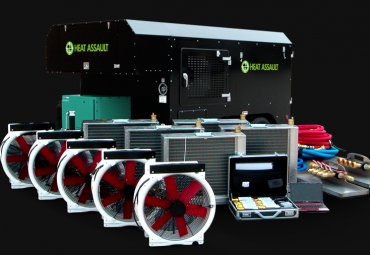
Last but not least, heat treatment is a pest extermination method that uses high temperatures to kill pests, especially bed bugs.
This method involves heating the affected area to a temperature that is lethal to pests but safe for humans and pets.
Benefits:
- Effectiveness: Heat treatment is an effective method of controlling pests, as it can kill all stages of pests, including eggs, larvae, and adult insects.
- Non-toxic and eco-friendly: Heat treatment uses high temperatures to kill pests without toxic chemicals, making it an environmentally friendly option.
- Effective against a wide range of pests: Heat treatment can eliminate various pests, including bed bugs, termites, and other insects.
- Can be used in residential and commercial settings: Heat treatment is versatile and can be used in both residential and commercial buildings, making it a flexible solution for pest control.
- No residual chemicals or contamination: Unlike traditional pest control methods that leave behind residual chemicals, heat treatment leaves no residue and poses no risk of contamination to the environment or occupants.
- Minimal preparation and cleanup required: Heat treatment requires minimal preparation, making it a convenient and efficient option. Cleanup is also minimal, with no need to dispose of hazardous materials.
- Can penetrate hard-to-reach areas: Heat treatment can reach and penetrate areas that are difficult to access, ensuring thorough extermination of pests.
Cons:
- Cost: Heat treatment is a costlier pest control method than other methods.
- Requires Expertise: Heat treatment may require the expertise of a pest control professional to ensure that the temperature is high enough to kill pests but safe for humans and pets.
There are several pest extermination methods, each with its benefits and cons. When choosing, it is essential to consider the type of pest, the environment, and the safety and sustainability of the method.
When selecting a pest extermination method, it is ideal to consult a pest control professional to ensure that the most effective and safe way is used.
Factors to Consider When Selecting a Pest Extermination Company
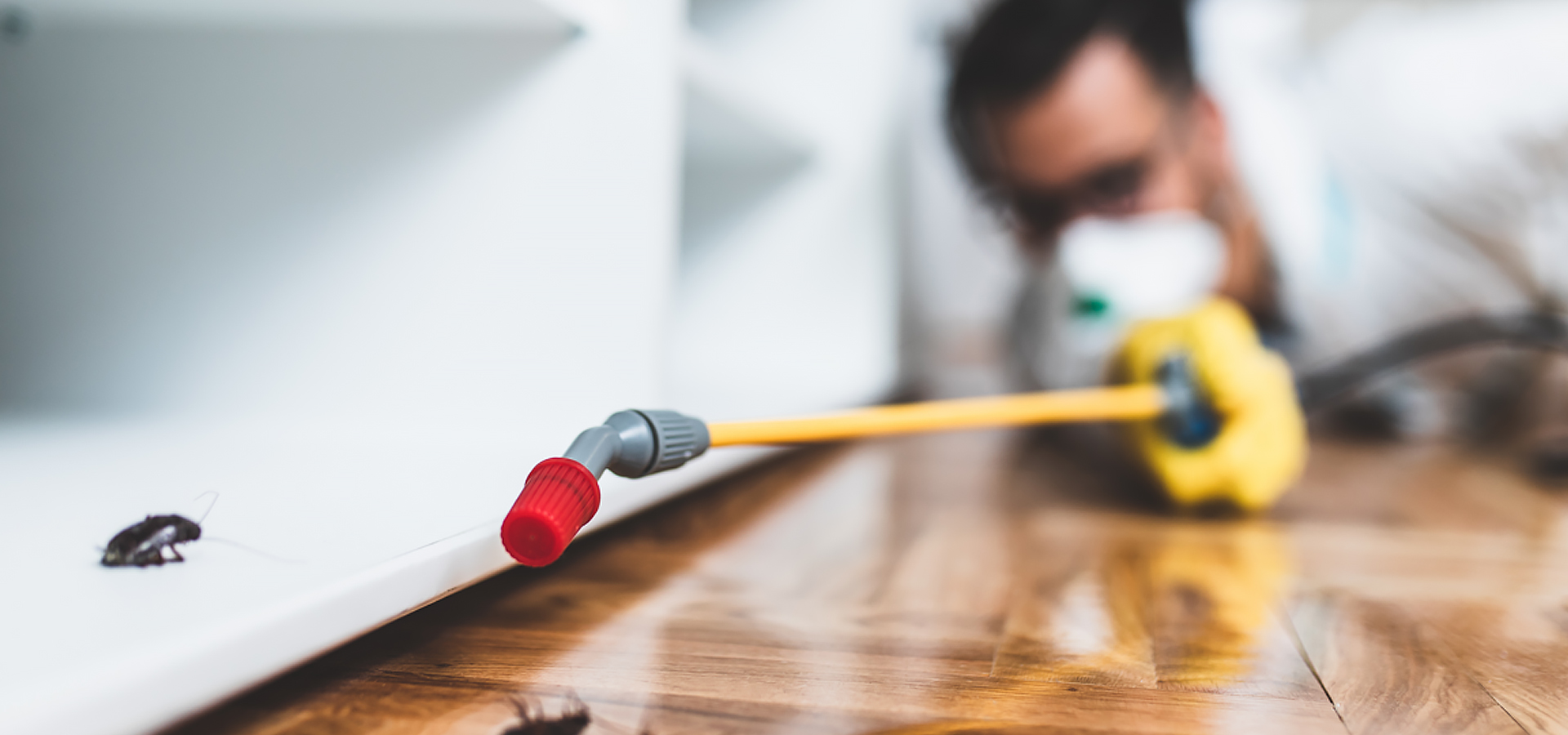
Whether it’s a mouse in the kitchen, ants in the bathroom, or termites in the walls, pests can cause damage and spread diseases.
Before you get pest extermination services, you must consider certain factors.
- License and certification: Pest control companies need licensing to ensure they are qualified and are working within the set standards.
- Pest type and severity: Consider the kind of pest you need to control and the severity of the infestation. A professional pest control company should be able to assess and recommend an effective solution.
- Method of extermination: Choose a company that uses environmentally friendly and safe procedures, such as integrated pest management (IPM) strategies.
- Cost: Compare the price of different pest control services to find a company that offers affordable rates while maintaining quality and safety.
- Reputation: Research the company’s reputation by reading online reviews and checking with the Better Business Bureau. Choose a company with a good track record of providing effective and reliable pest control services.
- Availability: Consider the company’s availability, including their response time and scheduling flexibility, to ensure they can provide prompt and convenient service.
By working with a professional, you can ensure that your pest control needs are met and that you can enjoy a pest-free environment.
Get Top Pest Control Services in Marshall, MI
We are a leading pest control service company with several years in the pest control industry.
We understand the importance of choosing the best pest control service, but with so many options available, it can take time to figure out where to start.
However, Bed Bug Specialists, LLC offers the best pest control and thorough inspection services at reasonable prices.
We are dedicated to providing top-notch pest control services in Lansing, MI, Marshall, MI, Battle Creek, Grand Rapids, Warsaw, MI, and the surrounding areas.
From termite control to eradication of rodents and other insects, we do it all.
We specialize in the following:
- Heat Treatment
- Encasements
- Interceptors
- Pesticides
- Pest Control and Extermination
- Pest Inspection
Whether you are dealing with a pest problem in the middle of the night or on the weekend, you can count on us to provide prompt and professional services.
Contact us today to schedule a consultation, and for a free quote for the service you need.