4.8 Star Rating 59 Reviews

Dangers of Untreated Pest Infestations & How to Prevent Them

Pests are a nuisance that can cause significant harm to your health, property, and finances. Unfortunately, many people ignore the warning signs of pest infestations until it’s too late.
Health Risks Associated with Pest Infestations
Health Risks Associated with Pest Infestations

Pests are disease causing pathogens that can seriously threaten your health by spreading diseases and bacteria.

Some pests, such as rodents, can transmit Lyme disease, Hantavirus, salmonella, and leptospirosis, leading to respiratory issues, fever, and even death.

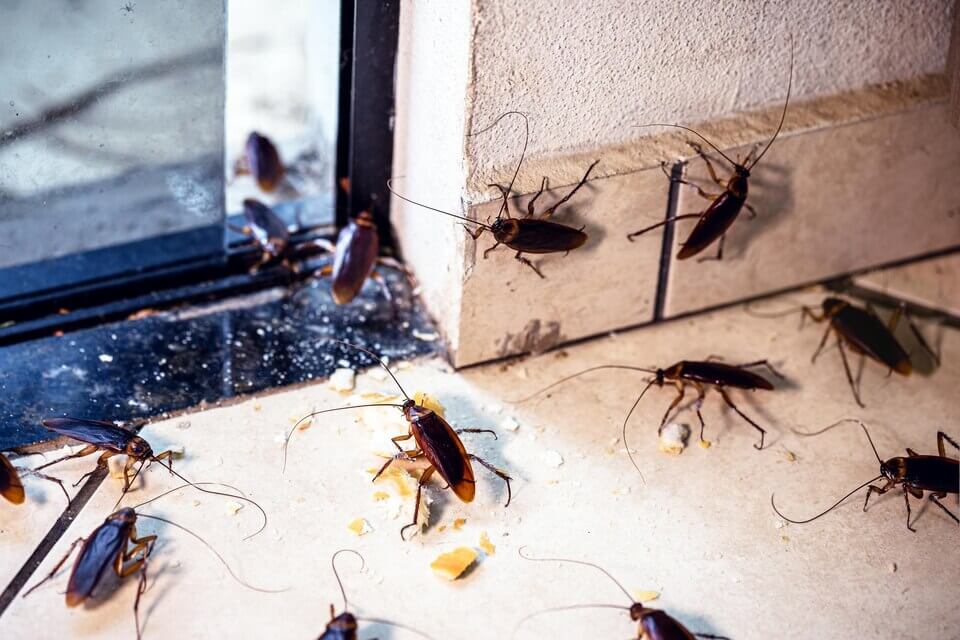
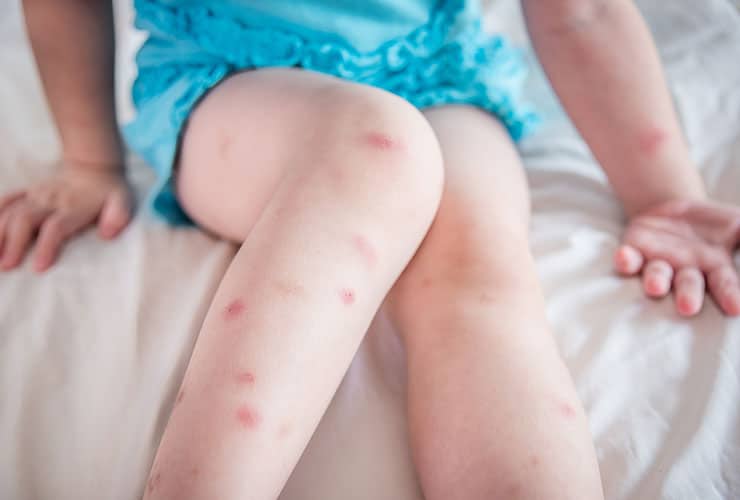
Cockroaches can cause asthma and allergies, while bed bugs can cause rashes, swelling, and anaphylactic shock in severe cases.

Identifying and treating pest infestations as soon as possible is crucial to avoid these health risks. Regular cleaning and maintenance of your property are also essential to prevent infestations from happening in the first place.

Property Damage Caused by Pests
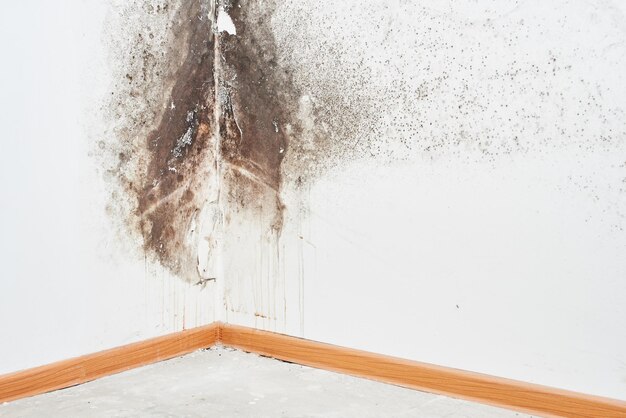
Pests can also cause significant damage to your property, including your home and office. Termites, for instance, can chew through wood, weakening the structural integrity of your building.

Rodents can also cause damage to electrical wires, leading to potential fire hazards. Moreover, pests such as ants and cockroaches can destroy food items, leading to contamination and food poisoning.

Economic Costs of Pest Infestations
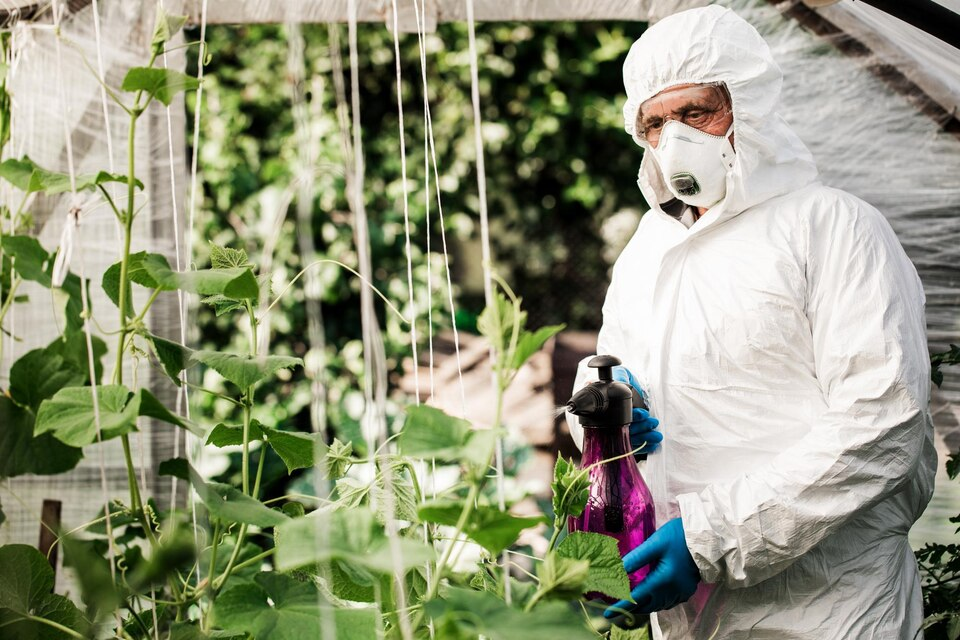
Pest infestations can also result in high economic costs. For instance, if you own a restaurant or food-related business, a pest infestation can lead to negative online reviews and a loss of customers. Additionally, repairing property damage caused by pests can be expensive and time-consuming.

Common Pests and Their Dangers

Some of the most common pests you may encounter include rodents, termites, ants, bed bugs, and cockroaches. Each of these pests poses different risks and requires different treatments.

  • Rodents can cause property damage and spread diseases such as the Hantavirus and salmonella.
  • Termites, as mentioned earlier, can cause structural damage to your property.
  • Ants and cockroaches can contaminate food items and cause health issues.
  • Bed bugs, on the other hand, can lead to severe allergic reactions and insomnia.

How to Identify Common Pests in Your Home
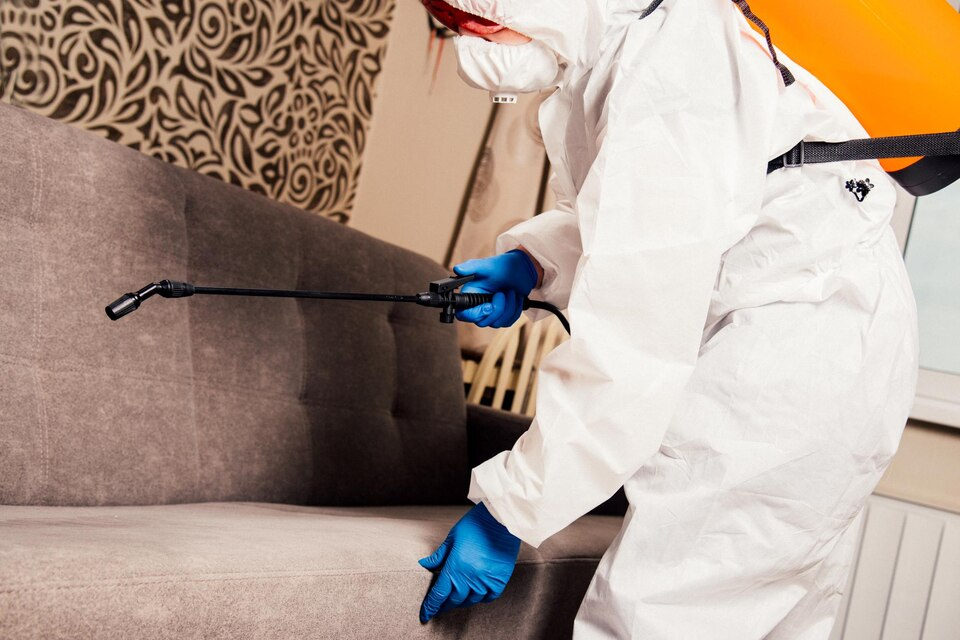
Identifying pests in your home can be challenging, especially if you’re unfamiliar with what to look for. However, it’s essential to identify problems as early as possible to prevent them from causing damage or spreading disease. Here are some common pests you may encounter in your home and how to identify them:

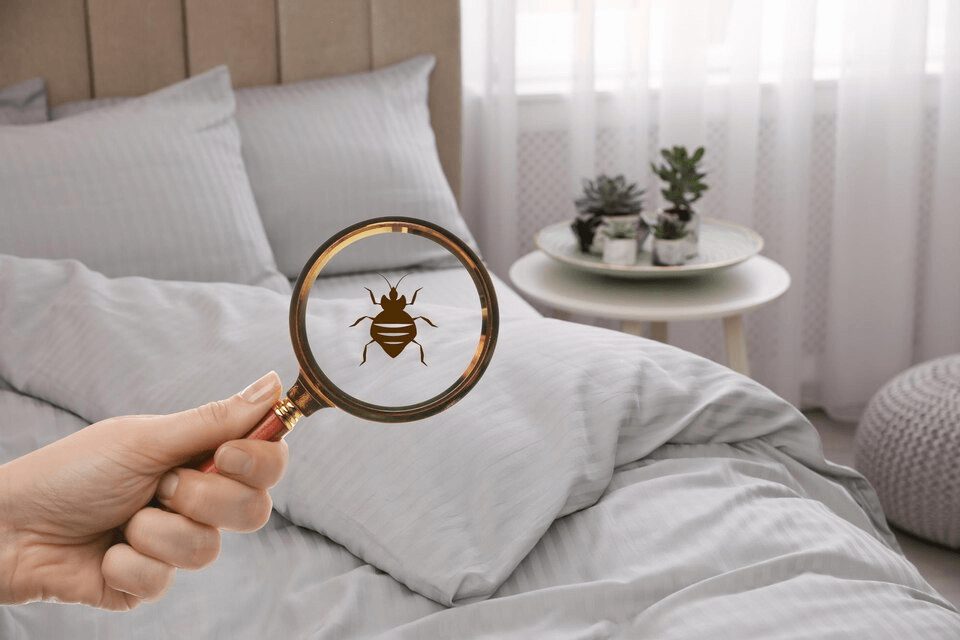
  1. Bed Bugs – Bed bugs are small, reddish-brown insects that feed on the blood of humans and animals. Mattresses, bedding, and furniture are their safe havens. Signs of a bed bug infestation include tiny reddish-brown bugs or their shed skins in your bedding, bites on your skin, and rust-colored stains on your mattress or bedding.
  2. Cockroaches – Cockroaches are often found in kitchens and bathrooms, as they are attracted to food and moisture. Signs of a cockroach infestation include droppings that look like black pepper, egg cases, and a strong, musty odor.
  3. Termites – Termites feed on wood, walls, support beams, etc. and can cause significant damage to your home if left untreated. Signs of a termite infestation include mud tubes on walls or ceilings, discarded wings near windows or doors, and hollow-sounding wood.
  4. Rodents – Rodents, such as mice and rats, can cause significant damage to your home and spread disease. Signs of a rodent infestation include droppings, gnaw marks on furniture or walls and small holes in walls or floors.

If you suspect a pest problem in your home, it’s essential to contact a professional exterminator for an inspection and treatment.

Preventing Pest Infestations Through Regular Maintenance

The best way to avoid pest infestations is by taking preventive measures. Regular maintenance of your property is crucial to prevent pests from happening in the first place.

Here are some tips to follow:

  • Keep your property clean and clutter-free.
  • Seal any cracks and gaps in the walls or foundation.
  • Store food items correctly and avoid leaving any leftovers out overnight.
  • Dispose of garbage properly.
  • Keep the outdoor areas clean and free of debris.

Tips for Effective Pest Prevention
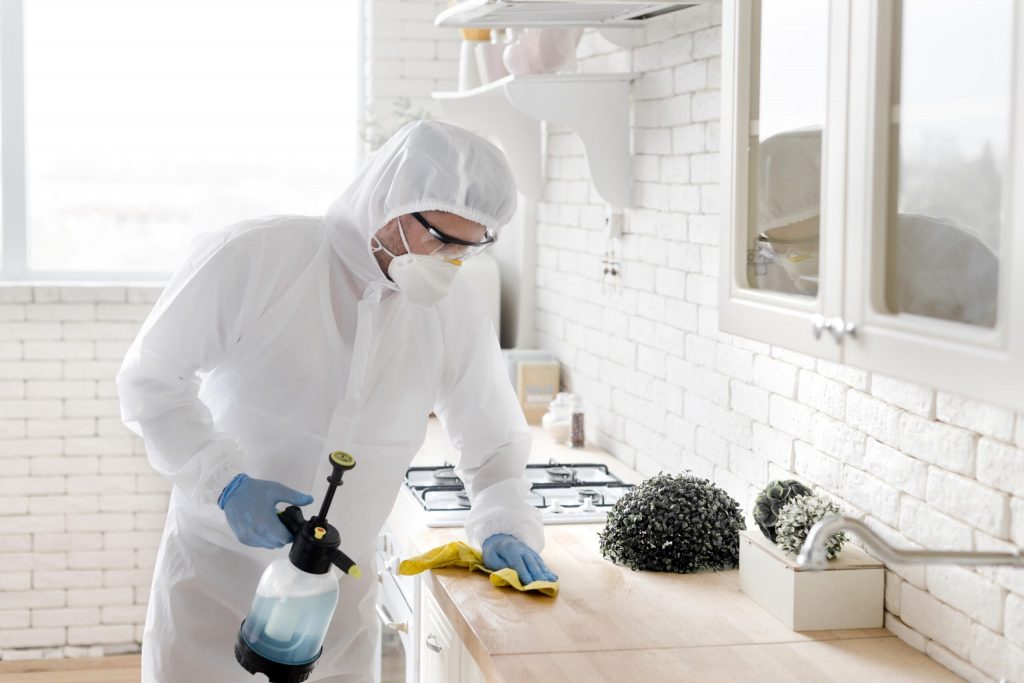
In addition to regular maintenance, there are several other steps you can take to prevent pest infestations:

  • Install screens on windows and doors to keep pests out.
  • Keep your property dry and well-ventilated.
  • Use pest-resistant materials for building construction and renovations.
  • Avoid using pesticides and chemicals that can harm the environment.

Eco-Friendly Pest Control Solutions

When dealing with pest infestations, it’s crucial to consider the environmental impact of the treatments used.

Traditional pest control methods involve the use of chemicals that can harm the environment, as well as your health and that of your pets. Eco-friendly pest control solutions offer a safer, more sustainable alternative.

Eco-friendly pest control solutions use natural and organic products that are safe for humans, pets, and the environment. Some also use heat which is unharmful to the lives around them.

Benefits of Eco-Friendly Pest Control Solutions

There are several benefits to using eco-friendly pest control solutions:

  1. Safe for Humans and Pets: Unlike traditional pest control methods, eco-friendly solutions are made from natural ingredients that are safe for humans and pets.
  2. Environmentally Friendly: Eco-friendly pest control solutions have a minimal environmental impact. They don’t contain harmful chemicals that can contaminate the soil or water.
  3. Long-Lasting Results: Eco-friendly pest control solutions disrupt the pests’ natural behavior, which means they have long-lasting results. You won’t have to worry about pests returning soon after treatment.
  4. Cost-Effective: Although eco-friendly pest control solutions may cost more upfront than traditional methods, they are more cost-effective in the long run. They offer long-lasting results, meaning you won’t have to keep paying for treatments.

Heat Assault Treatment
Heat treatment is generally considered an eco-friendly pest control solution. Heat treatment involves using high temperatures to kill pests without chemicals, such as bed bugs.

Heat treatment raises the affected area’s temperature to a level lethal to pests, typically between 120-140°F. This high temperature can penetrate even the tiniest crevices, eliminating pests in all stages of their life cycle, from eggs to adults.

Advantages of Heat Treatment

  • Safe: Compared to traditional pest control methods, which often involve harmful chemicals that can adversely affect human health and the environment, heat treatment is considered a safer and more sustainable alternative.
  • Usable in Various Settings: Heat treatment suits various settings, from residential homes to hotels and commercial buildings. It is also effective against many pests, including bed bugs, termites, and cockroaches.
  • Heat treatment is an effective and eco-friendly pest control solution that can help eliminate pest infestations without harmful chemicals.

Importance of Professional Pest Control Services
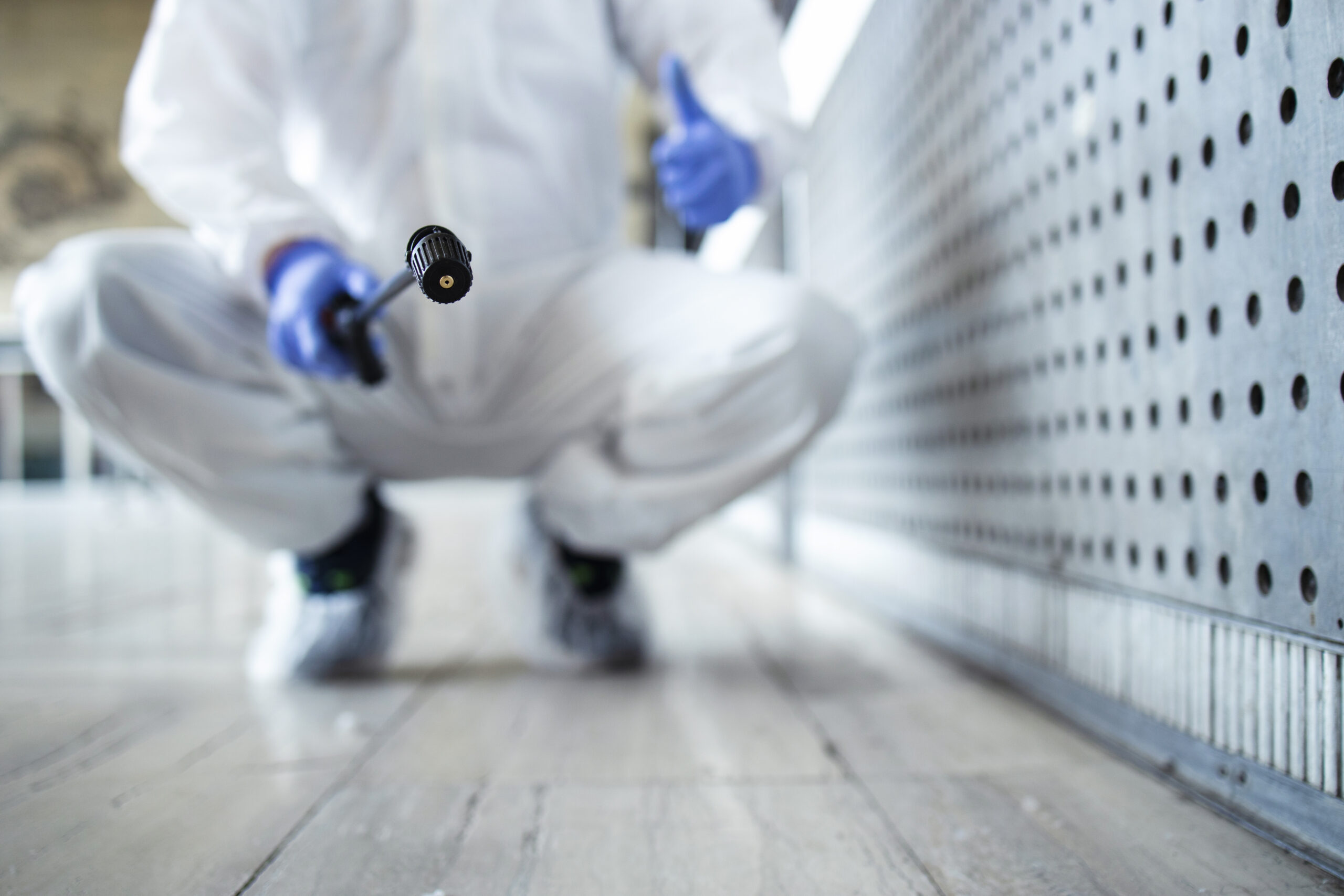

While many DIY pest control solutions are available, professional pest control services offer several advantages that make them a worthwhile investment.
Here are some reasons why it’s essential to consider professional pest control services:

  1. Expertise and Experience: Professional pest control technicians have the knowledge and experience to effectively identify and treat various pest problems. They can recognize signs of infestations that may be missed by untrained eyes and use their knowledge to develop customized treatment plans tailored to your specific needs.
  2. Safety: Professional pest control technicians can access effective and safe pest control products and methods unavailable to the general public. They have the training and equipment to apply these products safely and comply with environmental regulations.
  3. Time and Convenience: Pest control treatments can be time-consuming and often require multiple visits. Professional pest control services can handle the job, saving you time and hassle.
  4. Cost-effective: While professional pest control services may seem like an added expense, they can save you money in the long run. DIY treatments may seem less expensive upfront, but if they are not effective, the cost of repeated treatments can quickly add up. Professional pest control services can eliminate pests efficiently and effectively, reducing the likelihood of future infestations.
  5. Preventative Measures: Professional pest control services eliminate pests and help prevent future infestations by identifying and addressing potential entry points and providing ongoing monitoring and maintenance services.
  6. Peace of Mind: The most crucial benefit of professional pest control services is peace of mind. Knowing your home or business is free from pests can alleviate stress and provide a comfortable and healthy living or working environment.

While many DIY pest control solutions are available, professional pest control services offer several advantages that make them a worthwhile investment.
From expertise and experience to safety and convenience, professional pest control services can provide effective and long-lasting solutions to pest problems while providing peace of mind.

Importance of Professional Pest Control Services
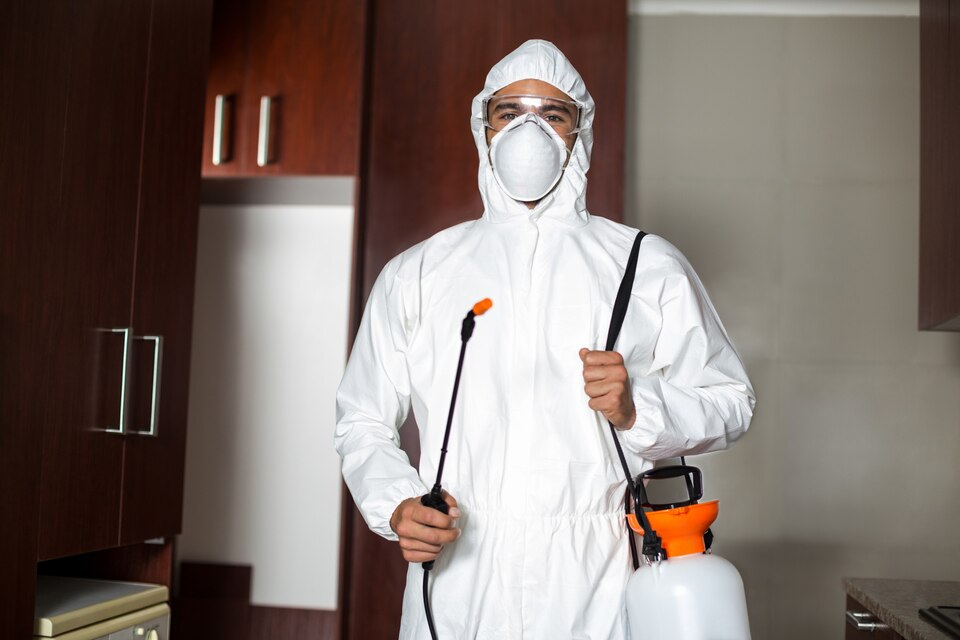

At Bed Bug Specialists, we understand the importance of eco-friendly pest control solutions and the benefits of professional pest control services.
Our team of trained technicians has the expertise and experience to identify and treat various pest problems, including bed bugs, termites, and cockroaches.
We use effective and safe pest control products and methods unavailable to the general public and provide ongoing monitoring and maintenance services to help prevent future infestations.
Our services include:

  • Heat Treatment
  • Bed Bug Prevention Encasements
  • Interceptors
  • Pest Control and Extermination

If you are experiencing a pest problem, don’t hesitate to contact us. We offer customized treatment plans tailored to your specific needs and can provide the peace of mind that comes with knowing your home or business is free from pests.
We serve Lansing, MI, DeWitt, MI, Mount Pleasant, MI, Warsaw, MI, Ionia, MI, Grand Rapids, MI and the surrounding areas.
Contact us today to schedule a consultation.
Pest Extermination Methods in Marshall, MI

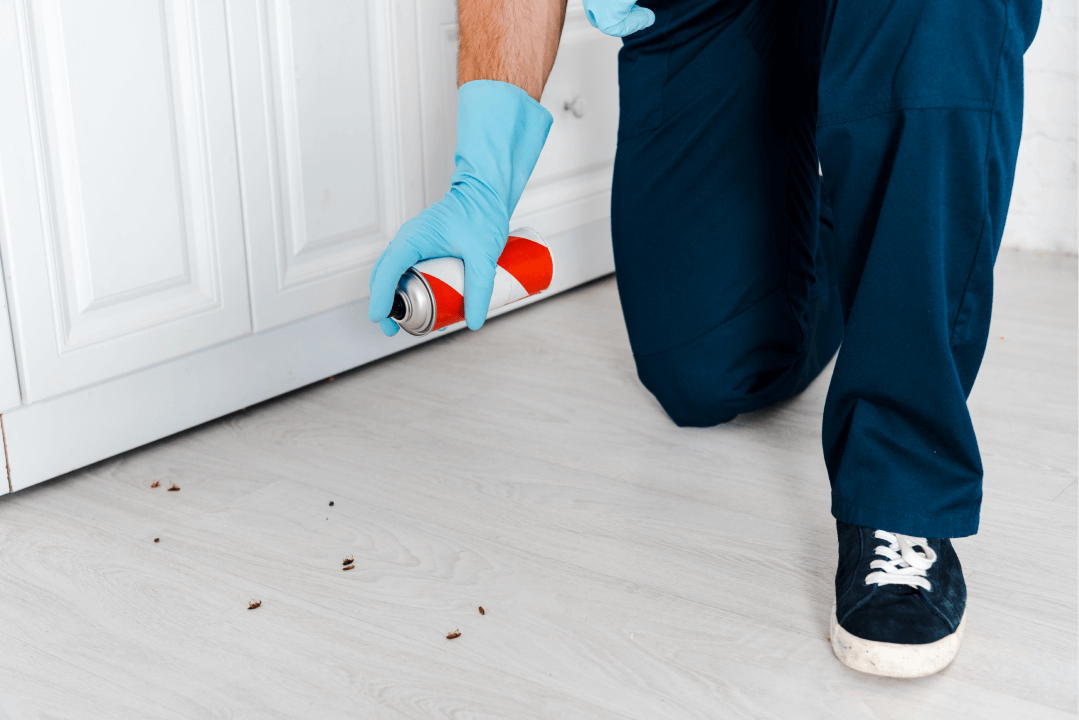
Pest extermination is essential to maintaining a healthy and hygienic environment in Marshall, MI.

Various methods are used to eliminate pests such as rodents, insects, and other critters. Each method has its benefits and limitations, and it is essential to choose the right one for your situation.

This article will discuss the most common pest extermination methods in Marshall, MI, and the benefits of each.

Chemical Extermination

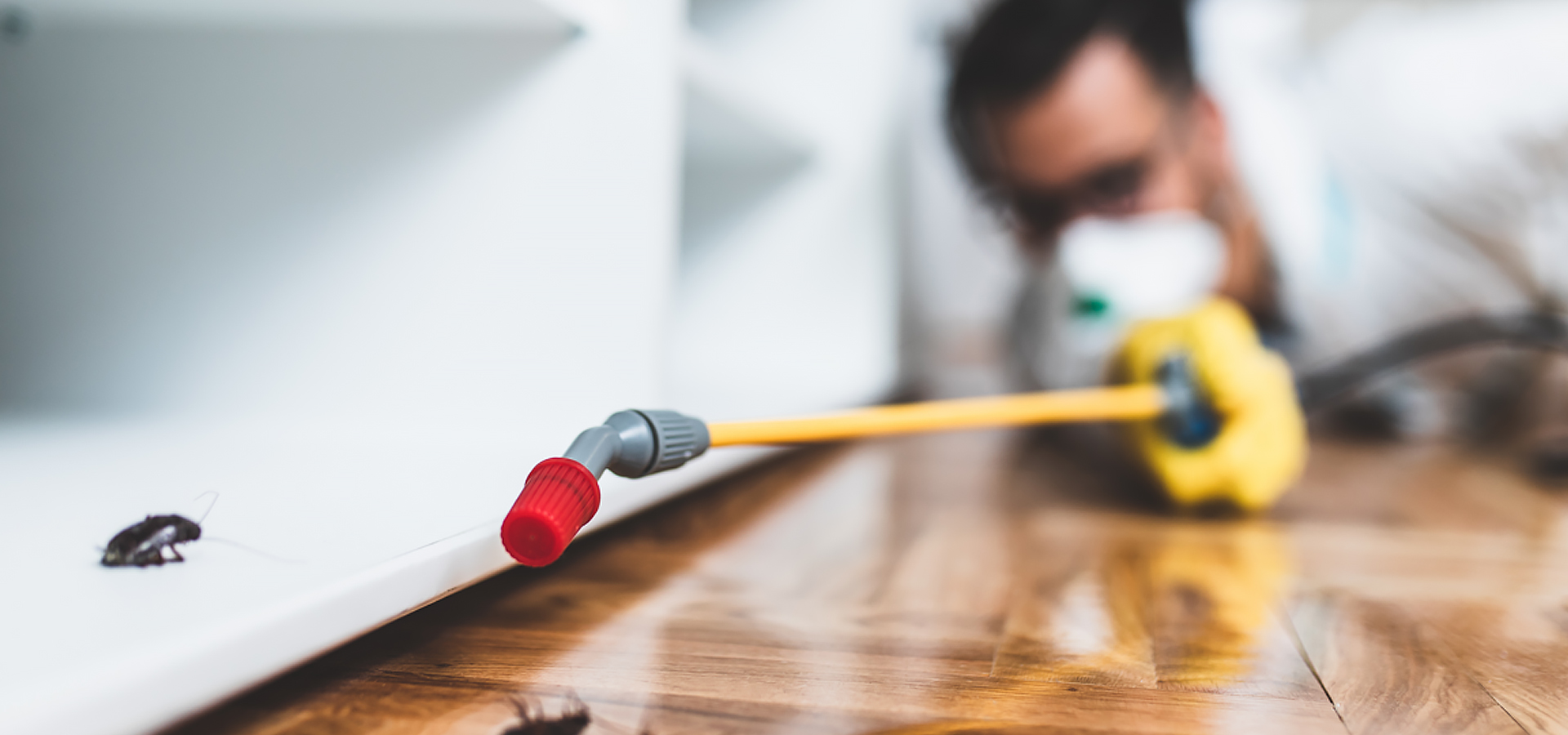
Chemical extermination is one of Marshall, MI’s most common pest control methods. This method involves the use of pesticides to kill pests.

Benefits:

  • Effectiveness: Chemical extermination is one of the most effective pest control methods, as it can quickly kill several pests.
  • Affordability: Chemical extermination is one of the most affordable pest control methods, making it accessible to many.
  • Efficiency: Chemical extermination is a fast solution to pest control problems, as the pesticides work quickly to kill pests.

Cons:

  • Health Concerns: Chemical extermination can harm humans and pets if used incorrectly. It is essential to follow the instructions carefully to avoid accidental poisoning.
  • Residue: Pesticides can leave environmental residue, harming wildlife and the ecosystem.
  • Resistance: Over time, pests can develop resistance to certain pesticides, making them less effective in controlling their populations.

Trapping

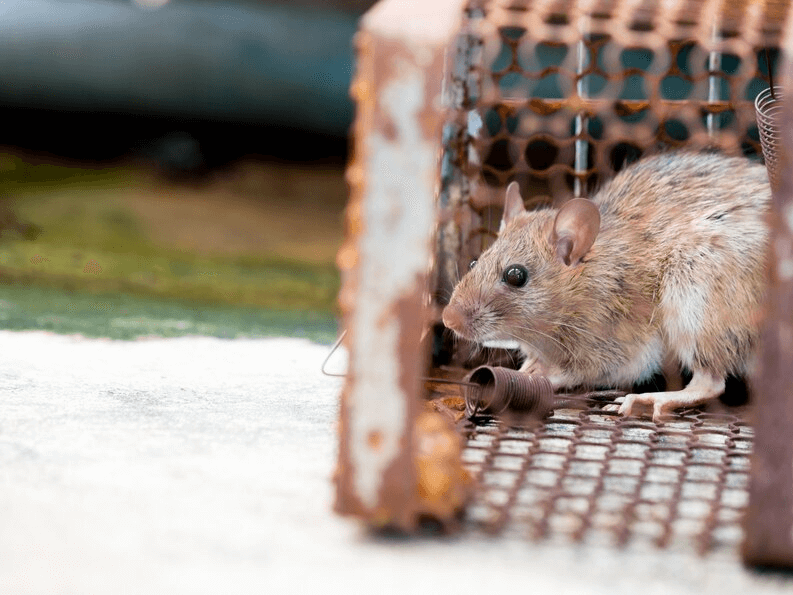
Trapping is another typical method of pest extermination. This method involves using traps to catch pests such as mice and rats.

Benefits:

  • Safety: Trapping is a safe method of pest control, as it does not use harmful chemicals.
  • Effectiveness: Trapping controls pest populations, as it can quickly and efficiently catch pests.
  • Environmentally Friendly: Trapping is an environmentally friendly alternative to chemical extermination, as it does not use harmful chemicals.

Cons:

  • Time-Consuming: Trapping can be time-consuming, as you need to check the traps and dispose of any pests caught regularly.
  • Limited Effectiveness: Trapping is ineffective for controlling large populations of pests, as it can only catch a limited number of pests at a time.

Baiting

Baiting is a method that involves using food to lure pests into traps or stations. Once the pests have taken the bait, they are killed by a poison or other substance.

Benefits:

  • Ease of Use: Baiting is a simple and easy pest control method, as you only need to set the bait and wait for pests to take it.
  • Targeted Pest Control: Baiting allows you to target specific pests, as you can choose the type of bait that attracts the particular pest you want to control.

Cons:

  • Accessibility: Baits need to be kept out of reach of children and pets to avoid accidental poisoning.
  • Limited Effectiveness: Baiting is not practical for controlling large populations of pests, as it can only kill a limited number of pests at a time.

Physical Exclusion

Physical exclusion is a method that involves blocking or sealing entry points for pests. This method prevents rodents and insects from entering a home or building.

Benefits:

  • Safety: Physical exclusion is a safe pest control method, as it does not use harmful chemicals.
  • Long-term Effectiveness: Physical exclusion is a long-term solution to pest control, as pests will be unable to enter the premises once the entry points are sealed.
  • Environmentally Friendly: Physical exclusion is an environmentally friendly alternative to chemical extermination, as it does not use harmful chemicals.
  • Cost-Effective: Physical exclusion can be a cost-effective solution to pest control, as it does not require using any chemicals or traps.

Cons:

  • Time-Consuming: Physical exclusion can be time-consuming, as you need to inspect the premises.
  • Requires Expertise: The method requires expert experience to ensure all entry points are properly sealed.

Biological Control

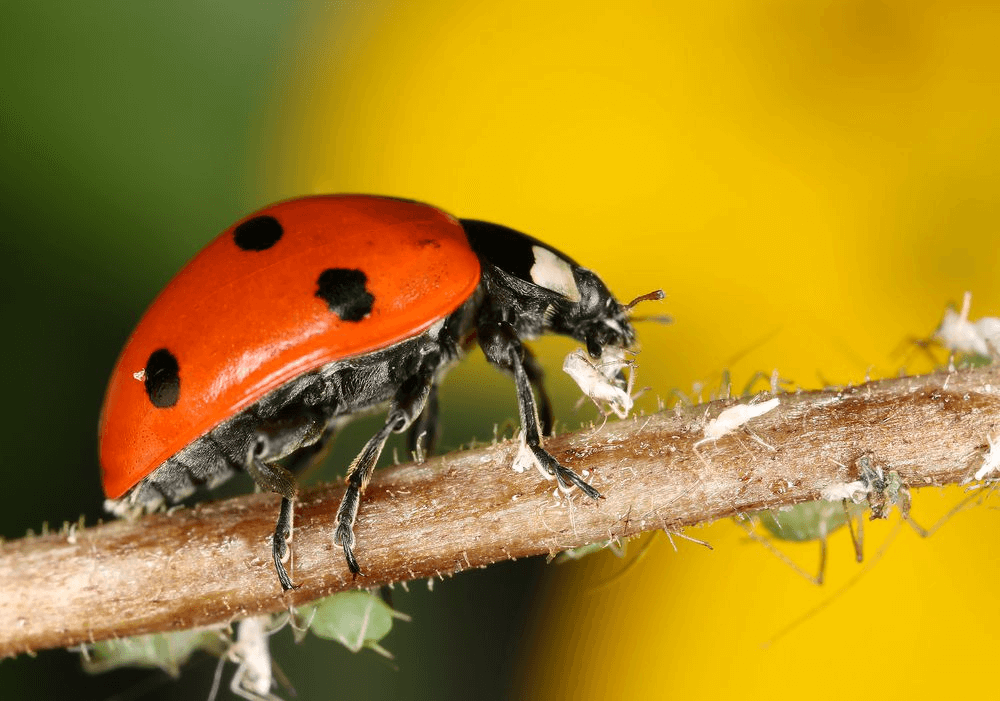
Biological control is a pest extermination method that uses natural predators and parasites to control pest populations.

This method involves introducing natural predators, such as ladybugs, into an environment to control pests such as aphids.

Benefits:

  • Environmentally Friendly: Biological control is an environmentally friendly alternative to chemical extermination, as it uses natural predators to control pests.
  • Long-term Effectiveness: Biological control can be a long-term solution to pest control, as the predators and parasites can continue to control pest populations over time.
  • Safety: Biological control is a safe method of pest control, as it does not use harmful chemicals.

Cons:

  • Limited Effectiveness: Biological control may not be effective in controlling large populations of pests, as the predators and parasites may be unable to keep up with the pest populations.
  • Time-Consuming: Biological control can be time-consuming, as it may take time for the predators and parasites to establish themselves in the environment.

Integrated Pest Management (IPM)

IPM is a pest extermination method using a combination of techniques to control pest populations.

This method consists of physical exclusion, baiting, trapping, and chemical extermination and monitoring and adjusting strategies as needed.

Benefits:

  • Customizable: IPM allows you to choose the methods that are best suited for your specific situation, as it can be customized to fit your needs.
  • Long-term Effectiveness: IPM can be a long-term solution to pest control, as it involves monitoring and adjusting strategies over time to ensure continued control of pest populations.
  • Environmental Friendly: IPM can be an environmentally friendly alternative to chemical extermination, as it can involve using non-chemical methods to control pests.

Cons:

  • Requires Expertise: IPM may require a professional’s expertise to ensure the correct method’s usage and that the strategies are as needed.
  • Time-Consuming: IPM can be time-consuming, as it involves monitoring and adjusting processes to ensure continued control of pest populations.

Heat Assault Treatment

Pest Extermination Methods in Marshall, MI

Last but not least, heat treatment is a pest extermination method that uses high temperatures to kill pests, especially bed bugs.

This method involves heating the affected area to a temperature that is lethal to pests but safe for humans and pets.

Benefits:

  • Effectiveness: Heat treatment is an effective method of controlling pests, as it can kill all stages of pests, including eggs, larvae, and adult insects.
  • Non-toxic and eco-friendly: Heat treatment uses high temperatures to kill pests without toxic chemicals, making it an environmentally friendly option.
  • Effective against a wide range of pests: Heat treatment can eliminate various pests, including bed bugs, termites, and other insects.
  • Can be used in residential and commercial settings: Heat treatment is versatile and can be used in both residential and commercial buildings, making it a flexible solution for pest control.
  • No residual chemicals or contamination: Unlike traditional pest control methods that leave behind residual chemicals, heat treatment leaves no residue and poses no risk of contamination to the environment or occupants.
  • Minimal preparation and cleanup required: Heat treatment requires minimal preparation, making it a convenient and efficient option. Cleanup is also minimal, with no need to dispose of hazardous materials.
  • Can penetrate hard-to-reach areas: Heat treatment can reach and penetrate areas that are difficult to access, ensuring thorough extermination of pests.

Cons:

  • Cost: Heat treatment is a costlier pest control method than other methods.
  • Requires Expertise: Heat treatment may require the expertise of a pest control professional to ensure that the temperature is high enough to kill pests but safe for humans and pets.

There are several pest extermination methods, each with its benefits and cons. When choosing, it is essential to consider the type of pest, the environment, and the safety and sustainability of the method.

When selecting a pest extermination method, it is ideal to consult a pest control professional to ensure that the most effective and safe way is used.

Factors to Consider When Selecting a Pest Extermination Company

Whether it’s a mouse in the kitchen, ants in the bathroom, or termites in the walls, pests can cause damage and spread diseases.

Before you get pest extermination services, you must consider certain factors.

  1. License and certification: Pest control companies need licensing to ensure they are qualified and are working within the set standards.
  2. Pest type and severity: Consider the kind of pest you need to control and the severity of the infestation. A professional pest control company should be able to assess and recommend an effective solution.
  3. Method of extermination: Choose a company that uses environmentally friendly and safe procedures, such as integrated pest management (IPM) strategies.
  4. Cost: Compare the price of different pest control services to find a company that offers affordable rates while maintaining quality and safety.
  5. Reputation: Research the company’s reputation by reading online reviews and checking with the Better Business Bureau. Choose a company with a good track record of providing effective and reliable pest control services.
  6. Availability: Consider the company’s availability, including their response time and scheduling flexibility, to ensure they can provide prompt and convenient service.

By working with a professional, you can ensure that your pest control needs are met and that you can enjoy a pest-free environment.

Get Top Pest Control Services in Marshall, MI

We are a leading pest control service company with several years in the pest control industry.

We understand the importance of choosing the best pest control service, but with so many options available, it can take time to figure out where to start.

However, Bed Bug Specialists, LLC offers the best pest control and thorough inspection services at reasonable prices.

We are dedicated to providing top-notch pest control services in Lansing, MI, Marshall, MI, Battle Creek, Grand Rapids, Warsaw, MI, and the surrounding areas.

From termite control to eradication of rodents and other insects, we do it all.

We specialize in the following:

  • Heat Treatment
  • Encasements
  • Interceptors
  • Pesticides
  • Pest Control and Extermination
  • Pest Inspection

Whether you are dealing with a pest problem in the middle of the night or on the weekend, you can count on us to provide prompt and professional services.

Contact us today to schedule a consultation, and for a free quote for the service you need.

Top 5 Benefits of Bed Bug Heat Assault Treatment in Marshall, MI

Are you tired of the itchy bites and sleepless nights caused by bed bugs? You’re not alone! Bed bug infestation continues to be an issue in many areas, including Marshall, MI. 

But don’t worry; there is hope! One effective solution to getting rid of bed bugs is heat assault treatment. This method uses high temperatures to kill bed bugs and their eggs, offering many benefits over other treatments. 

This article will discuss the top 5 benefits of bed bug heat assault treatment in Marshall, Mi, and why it’s worth considering as a solution to your bed bug problem. 

So, if you’re ready to say goodbye to bed bugs for good, keep reading!

What is Heat Assault Treatment?

Bed bug heat treatment eliminates bed bugs by raising the temperature in an infested area to a level that is lethal to the bugs. 

This is typically done using specialized equipment that can heat a room or an entire building to a temperature of around 140 degrees Fahrenheit for several hours. 

The heat penetrates walls, furniture, and other areas where bed bugs may hide, killing them and their eggs. 

This method is one of the most effective ways to eliminate bed bugs, as it can reach all areas of an infestation and is not reliant on any harsh chemicals or pesticides.

However, remember to remove all heat sensitive items from the kill zone to prevent them from damage.

What are the Benefits of Heat Assault Treatment?


This method offers many benefits over other bed bug treatments.

  1. Non-Toxic: One of the main benefits of heat assault treatment is that it is non-toxic. Unlike chemical pesticides, which can harm humans and pets, heat treatment uses only hot air to eradicate bed bugs, meaning it is safe for people and animals to be in the treated area during and after the treatment.
  2. Fast and Efficient: Another benefit is that it is quick and efficient. The treatment typically takes only one day, and it can kill all stages of bed bugs, including eggs, nymphs, and adults. This makes it a more practical option than traditional treatments, which may require multiple visits to achieve the same level of control.
  3. No Residue: Chemical pesticides can leave a residue on surfaces that can be harmful to humans and pets. Heat treatment, on the other hand, leaves no residue, making it a safer option for homes and workplaces.
  4. No preparation needed: Unlike other treatment options, heat assault treatment requires no preparation or special cleaning of the area prior to treatment. This means you won’t have to spend time and money cleaning and moving furniture before treatment.
  5. Cost-effective: Finally, bed bug heat treatment is a cost-effective solution. Traditional treatments can be expensive, especially if they require multiple applications. On the other hand, heat treatment is typically less costly and more effective, making it a more cost-efficient solution in the long run.

Other Benefits

  • Targeted treatment: Bed bug heat treatment is highly targeted. The heat is explicitly directed at the areas where the pests are known to hide, such as mattresses, box springs, and furniture. This ensures that the treatment eliminates bed bugs and their eggs without treating the entire house or building.
  • Minimal disruption: The method takes a day, and you can return to normal activities soon after. Unlike traditional methods, which may require you to vacate your home or office for several days, heat treatment allows you to resume your normal routine with minimal interruption.
  • No Pesticide resistance: Heat assault treatment does not rely on pesticides, so there is no risk of bed bugs developing resistance to the treatment. This means that heat treatment can be effective even when traditional remedies fail.
  • Environmentally friendly: Heat assault treatment is environmentally friendly as it does not rely on chemicals. So it does not contribute to pollution or harm wildlife and other non-target organisms.
  • Can be used in combination: Heat assault treatment can be used in combination with other treatment methods, such as chemical treatments or vacuuming, to achieve better results. This approach can be especially useful in cases of severe infestations or in places where bed bugs are challenging to reach.

Can I Do a Heat Treatment on My own?

While it is technically possible to conduct a bed bug heat treatment independently, it is not recommendable. This treatment requires specialized equipment and knowledge to be effective and safe.

Conducting a heat treatment without the proper equipment can be dangerous, as it requires high temperatures that could cause fire or other hazards.

 Additionally, without adequate knowledge and experience, it can be challenging to ensure that all targeted areas are treated effectively with a single treatment.

Additionally, bed bugs can hide and survive in small crevices, cracks, and other areas that are hard to reach. 

A professional pest control technician will have the proper tools and knowledge to identify and treat these areas to eradicate all bed bugs.

Get Specialized Bed Bug Heat Treatment in Marshall, Mi

Are you searching for a specialized bed bug treatment in Marshall, MI? Look no further! 

Bed Bug Specialists, LLC is a professional pest control company based in Marshall, MI, specializing in bed bug Specialists.

One of the reasons we stand out from other companies is our use of specialized heat treatments. 

We use state-of-the-art equipment to deliver high temperatures that kill all bed bug eggs and the bugs themselves, ensuring the treatment is effective and efficient.

This method is non-toxic, leaves no residue, and does not require any preparation, making it a safe and convenient option for homeowners and business owners.

Our services include:

  • Pest control and extermination
  • Home inspections
  • Bed bug treatments
  • Pesticide application
  • Heat Treatment
  • Encasements
  • Interceptors
  • And much more

In addition to our bed bug extermination services, we offer various other pest control services, including general pest control, rodent control, and wildlife control. We are also available 24/7 to handle emergency pest control situations.

So, are you looking for a reliable, professional, and effective bed bug company in Marshall, MI, Lansing, MI, Warsaw, MI and other areas in Michigan?

Look no further than Bed Bug Specialists, LLC.

We are committed to providing the highest quality service and guaranteeing to eliminate the bugs, ensuring that our customers have a peaceful night’s sleep.

Why is Heat Treatment the Best Way to Exterminate Bed Bugs?

Heat treatment is considered one of the most effective ways to eliminate bed bugs for several reasons:

  1. Heat treatment is a non-chemical approach, which means there is no need for potentially harmful chemicals to be used in the process. This is particularly beneficial for individuals with sensitivities to chemicals or for those who want to minimize their exposure to them.
  2. Heat treatment for bed bugs are a comprehensive solution that kills all bed bugs at every stage of development, including eggs, nymphs, and adult bugs. Chemical treatments, on the other hand, may not be effective against all stages of bed bug development, which could result in a re-infestation.
  3. Heat treatment is a one-time treatment that can effectively eliminate bed bugs, unlike chemical treatments which may require multiple treatments over several weeks or months.
  4. Heat treatment can penetrate into areas that may be difficult to access with chemicals, such as cracks, crevices, and wall voids. Heat can also kill bed bugs hiding in items such as electronics, books, and furniture.
  5. Heat treatment can be completed faster than chemical treatments. Depending on the size of the infestation and the size of the space being treated, heat treatment can typically be completed in a single day.
  6. Heat treatment does not leave behind any residual chemicals, which means that the treated area can be occupied immediately after treatment.

Overall, while chemical treatments can be effective against bed bugs, heat treatment is considered a faster, safer, and more comprehensive solution that can eliminate bed bugs in a single treatment without the need for potentially harmful chemicals.


Is DIY Pest Control Worth the Risk?

A few things can make your life super unbearable, and bedbugs are the worst. These bloodthirsty creatures can turn your home into a living hell.  Bedbugs are incredibly invasive and almost impossible to eliminate, and the worst part is, they attack when you’re most vulnerable.  Having to deal with bedbugs in your home is undoubtedly horrifying, but before you put on your DIY armor, you may want to think twice about eliminating these pests on your own.  This is why:

  • These pests have become pesticide-resistant The most common DIY bed bugs treatment most homeowners would resort to is the use of pesticide application. Unfortunately, certain kinds of bed bugs have become resistant to pesticides. This only means you’ll be doing zero work when you take up the project on your own. To top it off, these pesticides are poisonous and can be harmful to both man and animals. Application of these pesticides on your own would mean you’re putting your family and pets at risk.
  • You risk damaging your property Bedbugs love to hide in the tiniest of places. You may be dealing with a bedbug infestation in one area, but they are simply migrating to other sites, and before you know it, you’re throwing away your furniture because it’s too infested.
  • You may be putting your neighbors in harm’s way DIY bedbug elimination is not only ineffective, but you’re also risking these uncanny pests traveling to your neighbor’s property if you don’t get it right. So it would be wise to leave the elimination to the experts; it will be less costly than you think.

And in case you have to do any DIY pest control, invest in the use of bed bug receptors and encasements.  The encasements will help suffocate the bedbugs already on your bed while preventing new ones from inhabiting your bed. At least placing receptors on each leg of your bed gives you an estimation of the infestation you’re dealing with. So, think of this as more of a preventive control measure than a treatment method. The best way you’ll eliminate bed bugs is by seeking help from professionals who utilize heat assault 500X, the safest proven heat treatment method for eliminating bed bugs.

Need a Start on Bed bugs treatment?

Bed Bug Specialists, LLC is ready to help; we use some of the best techniques in the market today. Call us today if you reside in Owosso, MI and Battle Creek, Mi.

Answering Your Questions About Bed Bug Heat treatment

Like most homeowners, you probably freaked out when you found out you have bedbugs in your home. And now you’re wondering what’s the way forward. The only way to make your home bed bugs-free is by finding an effective bed bugs treatment. The two most available treatments are:

  • Heat treatment
  • Pesticide application

The best option between the two is the heat treatment. The number one heat treatment method in the market today is the heat assault 500X system. Need more information on heat treatment? Read on to find out. WHAT IS HEAT TREATMENT? The heat treatment method uses a system meant to raise your home’s temperatures to 140 degrees Fahrenheit. This high temperature kills bedbugs while eliminating their eggs as well. It takes a maximum of 2hours to eradicate all the bed bugs through heat treatment. WHEN DO I NEED HEAT TREATMENT? Contact a bed bug specialist and schedule a heat treatment as soon as you find out you have bed bugs in your home. However, you have to prepare your home first to avoid heat treatment damage. HOW DO YOU PREPARE? There’s really not much preparation since you’re not supposed to move anything. Let your furniture be the way they are. The experts will know what to do. You can only remove flammable items and those that can melt: alcohol, books, perishable food, and any other paper stuff.  And when removing these items, make sure you’re not transporting the bed bugs with these items. You can also make sure to turn off your AC, close all windows and vacuum and clean the house before the heat treatment.

Need a Bed Bugs Treatment Specialist in Owosso and Battle Creek, MI?

Contact Bed bug Specialist, LLC. We use one of the most effective heat treatment methods on the market. Request your free estimate with us today.

7 Myths About Bed Bugs Debunked

It’s not surprising that half-truths and downright magical thinking come into play where bed bugs are concerned. There are few things that make us feel so powerless in our own domain as the specter of a visit from these creatures.

The most obvious misconception is that if you keep your house really clean, bed bugs won’t come. But, explains Mike Potter, an entomologist and extension professor at the University of Kentucky, bed bugs don’t care whether or not you’ve vacuumed.

“They’re not cockroaches,” Potter says. “They don’t feed on debris. You could have a pristine environment and they could still get introduced.”

Below, CR busts some myths and delivers advice to help you stare down this scourge, protect yourself and your family, and take effective action if you need to.

Myth 1: You’re safe from bed bugs if you have a foam mattress.

Truth: While bed bugs can’t live in foam, they can stash themselves in any crevice that’s close to your body while you’re inert, such as in the small cracks of your bed frame. So even though foam isn’t habitable for bed bugs, someone who’s sleeping on it is still vulnerable.

Does it lower your risk to zip your mattress and box spring into protective bags?

“Bed bugs might not be able to live inside the encasement, but they can live outside of it for sure,” says Potter.

So you can still have bed bugs in your home and can still get bitten. What encasement bags are good for is protecting the actual mattress. That means you might not need to toss it and spend money on a new one if you have a bed-bug infestation.

Myth 2: Bed bugs travel only by hitchhiking on clothes or other fabric.

Truth: Fabric is only one mode of transport. Bed bugs get around on their own just fine. “They can crawl through electrical outlets, up through walls, down hallways,” says Potter. “They can go right out the door and into other rooms or units within a building.”  If you live in a multi-unit building and you know bed bugs are in apartments near yours, you should have an exterminator examine your home and look for signs of the pests. And if your home has an infestation in one room, adjacent rooms should be treated, too.

Myth 3: A bed bug–sniffing dog is the best way to identify an infestation.

Truth: There are reputable handlers with well-trained bed bug–sniffing dogs and there are scammers with untrained dogs. There are also legit bug-sniffing dogs that occasionally make mistakes. “What I always say is, don’t just trust the dog,” explains Potter. “Confirm with a visible [human] inspection.”

Dogs and handlers should have proper accreditation and verifiable training through respected organizations such as the Forensic and Scientific Training Investigations Center, the World Detector Dog Organization, and the National Entomology Scent Detection Canine Association.

As for spotting signs of bed bugs yourself, Potter says if you suspect there’s a problem, there are a couple of things to look for on your sheets: tiny hard brown dots about the size of a pen tip (bed-bug excrement) and small blood spots where you might have smashed a bed bug while rolling over. Potter says you might also also see white eggs the size of sesame seeds in small clumps in or around furniture.

If you’re not sure what a bed bug looks like, learn here.

And remember, if you see none of the above in your home and your only worry is bite marks, the problem could be something else. There are many insects that bite in the night.

Myth 4: You’ll need to throw out everything you own if you have bed bugs.

Truth: Most likely you won’t have to leave your expensive TV or computer—or much else—on the curb after a run-in with bed bugs. “Except for severe infestations, you don’t need to throw anything out,” says Potter. “Bed bugs only wind up in places like book bindings and alarm clocks when there’s a massive infestation. When they’re overcrowded in one place, they seek out space in other areas.”

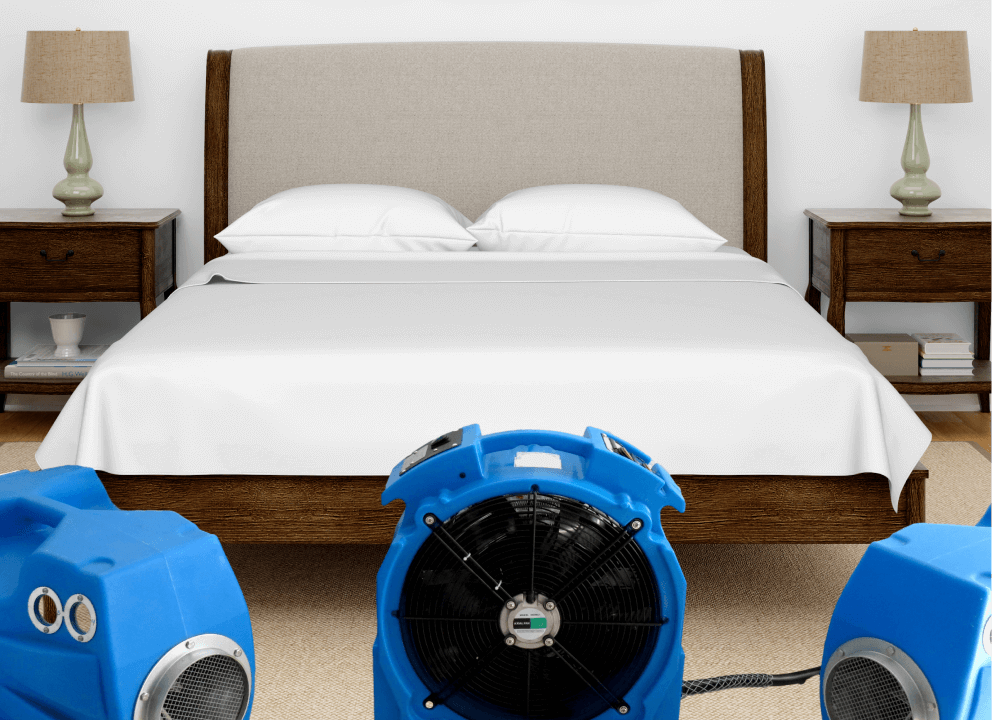
Once your home is treated professionally, your belongings should be okay. Exterminators use heat to kill bed bugs, temperatures up around 140 degrees Fahrenheit. (The high setting on most clothes dryers is well above this, by the way.) They bring in portable heaters and fans and gradually heat the room, using sensors to make sure the heat is well-distributed.

Some pest control companies ask you to strip beds and furniture and bag up belongings including clothes, shoes, and coats so that bed bugs have nowhere to hide during the treatment. You’ll leave these bags (tied tightly) in the room being heated so that the bed bugs get baked with the rest of the space. Most everything in your home, including furniture, can withstand this heat for the hour and a half necessary to kill off the bugs.

Myth 5: A blow dryer is fatal to bed bugs.

Truth: In some cases, it can be. But the trick is keeping bed bugs in one place long enough to take the heat till they’re dead. A hair dryer can be a reliable tool for flushing bed bugs out of cracks and crevices, though. The bugs will scurry away from the hot wind.

Myth 6 : Cayenne pepper or diatomaceous earth can kill bed bugs.

Truth: In studies that Potter has conducted, natural oils or sprays, cayenne pepper, and diatomaceous earth weren’t effective at killing the pests. The same holds true for bug bombs, or sprays containing deet; the concentration is usually not high enough to kill bed bugs or their eggs (and it’s not safe to misuse this chemical by applying more than is recommended). Professional heat treatment by an exterminator is the surest way to kill bed bugs.

If you’re waiting for treatment, you might be able to reduce the number of bed bugs by laying down Cimexa’s Insecticide Dust, which is made mostly of silicon dioxide. Sprinkle it in cracks and joints of a bed frame and in any contact points where bugs could hide (for example, where wood meets the floor and where a bed platform meets the mattress). This insecticide absorbs the waxy exterior of a bed bug’s shell, leaving it desiccated, but you’ll probably need multiple applications. You can also “bake” bedding, shoes, backpacks, and pillows in a clothes dryer set on high for 10 to 20 minutes.

Myth 7: Once they’re gone, they’re gone.

Truth: Bed bugs can live one to four months at regular temperatures (possibly a bit longer at cooler temperatures). An exterminator should come more than once and should inspect your home before offering a quote. Depending on the degree of problem and the size of your home, treatment costs can range from a few hundred dollars to a few thousand; the national average is around $1,750. Many exterminators include a follow-up visit, but some will return several times. (It would be prudent to request this.) After two to three visits from a pro to make sure there are no signs of bed bugs, you can consider yourself clear of the infestation.

Everything You Need To Know About Bed Bugs

Bed bugs are small, flat insects that feed on the blood of people and animals when they sleep.  Bed bugs are experts at hiding. Their slim flat bodies allow them to fit into the smallest of spaces and stay there for long periods of time, even without a blood meal. Bed bugs are usually transported from place to place as people travel.  Bed bugs are not a sign of a dirty home or poor personal hygiene.  Bed bugs are not known to spread disease, but can be an annoyance because their presence may cause itching and loss of sleep.  If you think you may have bed bugs, it’s very important to do a thorough inspection, and to begin treatment as soon as possible.  Treating a bed bug infestation early will save much time and expense.  Please read below for important information on how to deal with bed bugs.

Who Is At Risk?

Any home is at risk of a bed bug infestation.

Bed bugs are not a sign of a dirty home or poor personal hygiene. Bed bugs are hitchhikers – they travel to new places by hiding in furniture, suitcases, or other objects that get moved around.  Before bringing new items into your home, especially items such as used or antique furniture, mattresses, or bedding, you should inspect them for signs of bed bugs.  Also be on the lookout for signs of bed bugs when you travel.  In multi-unit housing, bed bugs can also spread from one infested home to other neighboring homes be crawling through walls, ceilings, and hallways.

Signs Of A Possible Bed Bug Infestation

Many people will react to bed bug bites with an itchy welt, similar to a mosquito bite.  However, bite reactions can vary from person to person, and some people do not react at all.  Fortunately, bed bug bites have not been found to spread any diseases.

Other signs of a bed bug problem can include:  finding small wingless bugs in cracks and crevices around the bed, seeing small blood spots or bed bug fecal matter on bedding, or finding bed bug eggs and/or cast skins.  Not all bugs that you find in your bedroom are bed bugs – if you find a bug that you suspect is a bed bug, you should save it to show to an expert.

How do I find out if I have bed bugs?

The only way to find out for sure that you have bed bugs is to find a live bed bug in your home.  You can’t tell just by looking at the bites.  If you suspect that you may have bed bugs, you should do a careful inspection of your bed or sleeping area.  You can also contact a pest management professional to do an inspection for bed bugs.

For detailed instructions on how to inspect for bed bugs, check out this booklet from Michigan State University – “Getting the Bed Bugs Out”.

How do I get rid of a bed bug infestation?

Eliminating a bed bug infestation is a complicated and labor-intensive process. Your best bet is to act quickly and bring in an experienced pest management professional.  There are several different treatment methods that professionals can use, separately or in combination, to eliminate bed bugs from a home.

Bed bug foggers (a.k.a. “bug bombs”) are not effective at killing bed bugs.  Many of the “all-natural” sprays available on the market are also ineffective at controlling bed bugs.  We do not recommend using rubbing alcohol to treat a home for bed bugs – it’s effectiveness is limited and it is highly flammable.  For more information on treatment methods that can be safely used by nonprofessionals, check out this booklet from Michigan State University – “Getting the Bed Bugs Out”.

Don’t bring them home!

Avoid picking up used mattresses or secondhand upholstered furniture because it’s hard to see whether they harbor bed bugs. Other used furniture must be carefully inspected and cleaned before you bring it home. Scrub furniture with soapy water or a household cleaning product to remove any possible bed bugs or their eggs.

Second-hand clothing should be placed in a sealed, plastic bag and emptied directly into the washing machine. Wash in hot water and dry on high heat setting to kill bed bugs and their eggs.

When visiting hotels inspect the room for signs of bed bugs prior to unpacking luggage.

© 2026 Bed Bug Specialists All Rights Reserved