4.8 Star Rating 59 Reviews

Dangers of Untreated Pest Infestations & How to Prevent Them

Pests are a nuisance that can cause significant harm to your health, property, and finances. Unfortunately, many people ignore the warning signs of pest infestations until it’s too late.
Health Risks Associated with Pest Infestations
Health Risks Associated with Pest Infestations

Pests are disease causing pathogens that can seriously threaten your health by spreading diseases and bacteria.

Some pests, such as rodents, can transmit Lyme disease, Hantavirus, salmonella, and leptospirosis, leading to respiratory issues, fever, and even death.

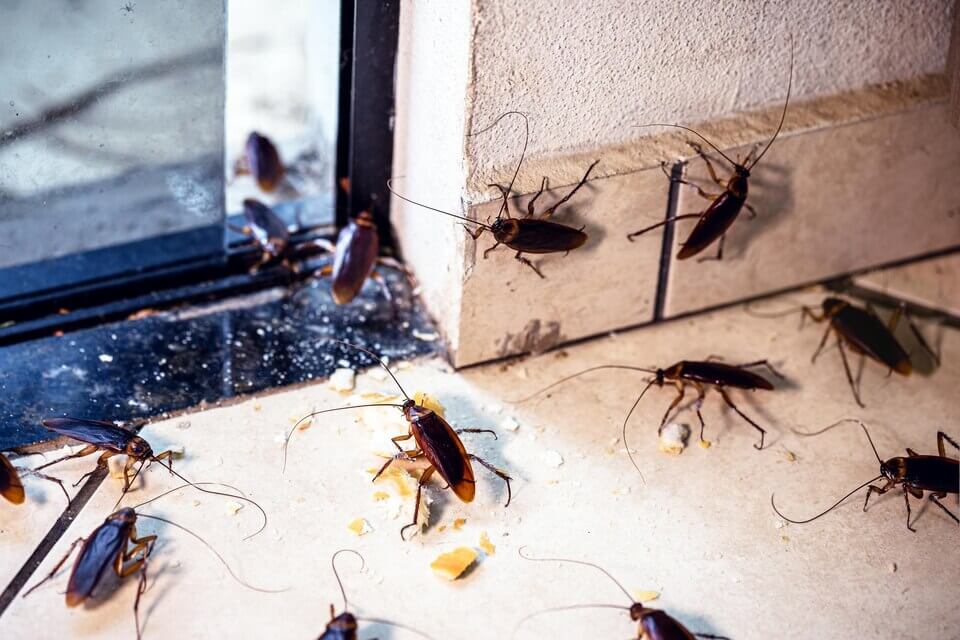
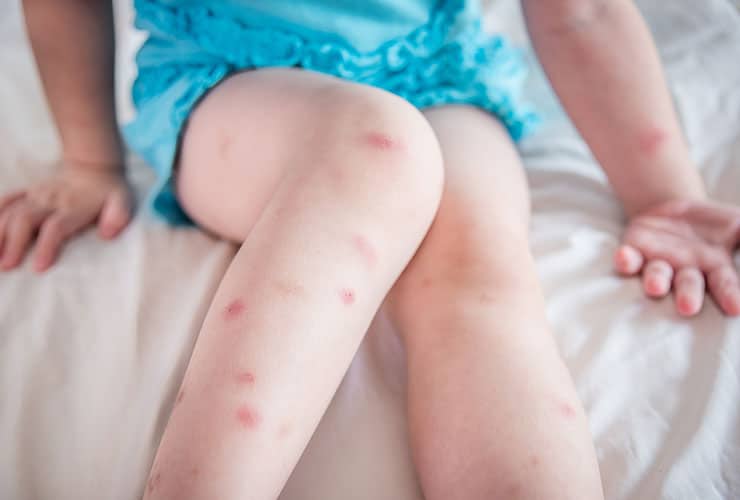
Cockroaches can cause asthma and allergies, while bed bugs can cause rashes, swelling, and anaphylactic shock in severe cases.

Identifying and treating pest infestations as soon as possible is crucial to avoid these health risks. Regular cleaning and maintenance of your property are also essential to prevent infestations from happening in the first place.

Property Damage Caused by Pests
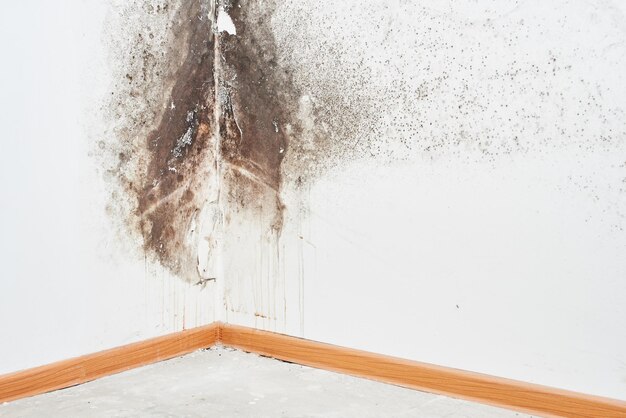
Pests can also cause significant damage to your property, including your home and office. Termites, for instance, can chew through wood, weakening the structural integrity of your building.

Rodents can also cause damage to electrical wires, leading to potential fire hazards. Moreover, pests such as ants and cockroaches can destroy food items, leading to contamination and food poisoning.

Economic Costs of Pest Infestations
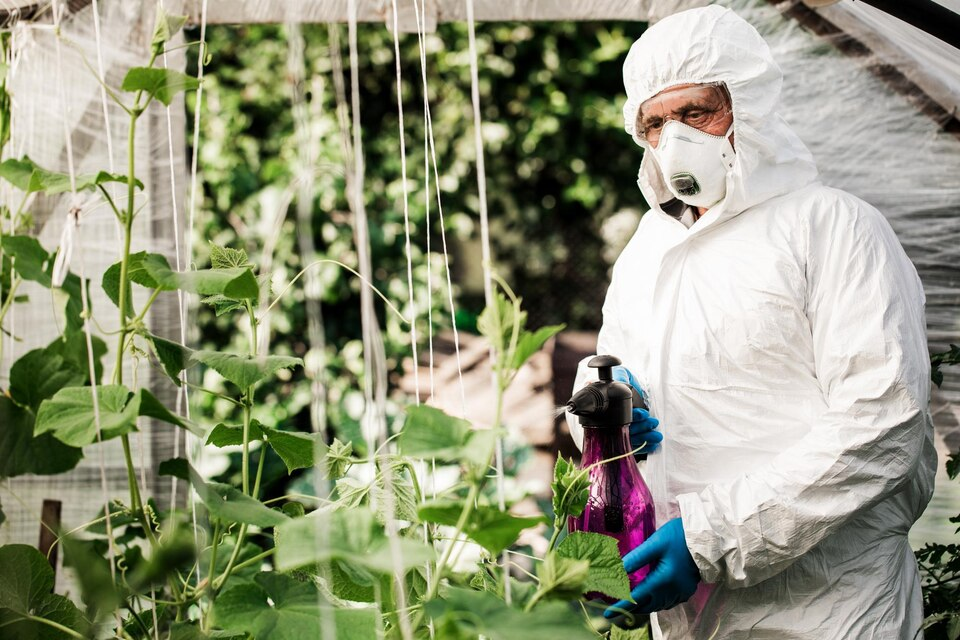
Pest infestations can also result in high economic costs. For instance, if you own a restaurant or food-related business, a pest infestation can lead to negative online reviews and a loss of customers. Additionally, repairing property damage caused by pests can be expensive and time-consuming.

Common Pests and Their Dangers

Some of the most common pests you may encounter include rodents, termites, ants, bed bugs, and cockroaches. Each of these pests poses different risks and requires different treatments.

  • Rodents can cause property damage and spread diseases such as the Hantavirus and salmonella.
  • Termites, as mentioned earlier, can cause structural damage to your property.
  • Ants and cockroaches can contaminate food items and cause health issues.
  • Bed bugs, on the other hand, can lead to severe allergic reactions and insomnia.

How to Identify Common Pests in Your Home
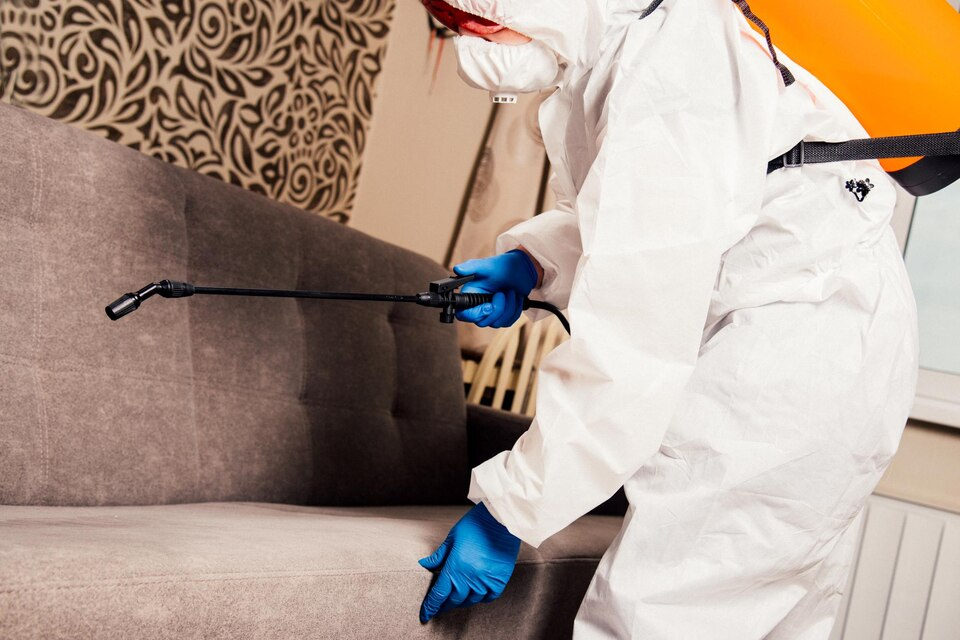
Identifying pests in your home can be challenging, especially if you’re unfamiliar with what to look for. However, it’s essential to identify problems as early as possible to prevent them from causing damage or spreading disease. Here are some common pests you may encounter in your home and how to identify them:

  1. Bed Bugs – Bed bugs are small, reddish-brown insects that feed on the blood of humans and animals. Mattresses, bedding, and furniture are their safe havens. Signs of a bed bug infestation include tiny reddish-brown bugs or their shed skins in your bedding, bites on your skin, and rust-colored stains on your mattress or bedding.
  2. Cockroaches – Cockroaches are often found in kitchens and bathrooms, as they are attracted to food and moisture. Signs of a cockroach infestation include droppings that look like black pepper, egg cases, and a strong, musty odor.
  3. Termites – Termites feed on wood, walls, support beams, etc. and can cause significant damage to your home if left untreated. Signs of a termite infestation include mud tubes on walls or ceilings, discarded wings near windows or doors, and hollow-sounding wood.
  4. Rodents – Rodents, such as mice and rats, can cause significant damage to your home and spread disease. Signs of a rodent infestation include droppings, gnaw marks on furniture or walls and small holes in walls or floors.

If you suspect a pest problem in your home, it’s essential to contact a professional exterminator for an inspection and treatment.

Preventing Pest Infestations Through Regular Maintenance

The best way to avoid pest infestations is by taking preventive measures. Regular maintenance of your property is crucial to prevent pests from happening in the first place.

Here are some tips to follow:

  • Keep your property clean and clutter-free.
  • Seal any cracks and gaps in the walls or foundation.
  • Store food items correctly and avoid leaving any leftovers out overnight.
  • Dispose of garbage properly.
  • Keep the outdoor areas clean and free of debris.

Tips for Effective Pest Prevention
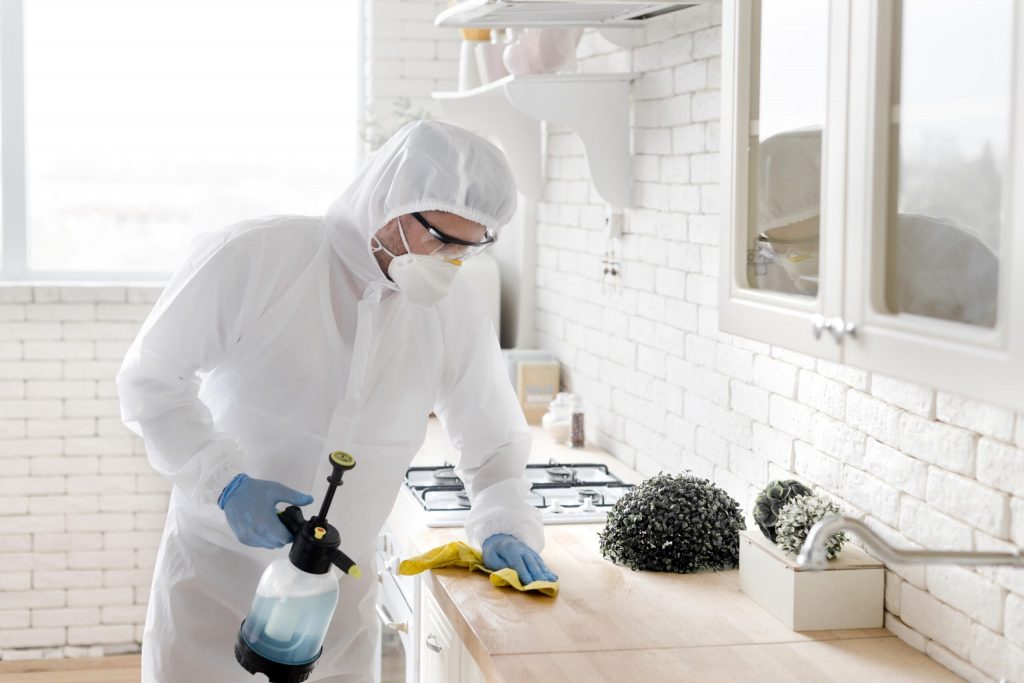
In addition to regular maintenance, there are several other steps you can take to prevent pest infestations:

  • Install screens on windows and doors to keep pests out.
  • Keep your property dry and well-ventilated.
  • Use pest-resistant materials for building construction and renovations.
  • Avoid using pesticides and chemicals that can harm the environment.

Eco-Friendly Pest Control Solutions

When dealing with pest infestations, it’s crucial to consider the environmental impact of the treatments used.

Traditional pest control methods involve the use of chemicals that can harm the environment, as well as your health and that of your pets. Eco-friendly pest control solutions offer a safer, more sustainable alternative.

Eco-friendly pest control solutions use natural and organic products that are safe for humans, pets, and the environment. Some also use heat which is unharmful to the lives around them.

Benefits of Eco-Friendly Pest Control Solutions

There are several benefits to using eco-friendly pest control solutions:

  1. Safe for Humans and Pets: Unlike traditional pest control methods, eco-friendly solutions are made from natural ingredients that are safe for humans and pets.
  2. Environmentally Friendly: Eco-friendly pest control solutions have a minimal environmental impact. They don’t contain harmful chemicals that can contaminate the soil or water.
  3. Long-Lasting Results: Eco-friendly pest control solutions disrupt the pests’ natural behavior, which means they have long-lasting results. You won’t have to worry about pests returning soon after treatment.
  4. Cost-Effective: Although eco-friendly pest control solutions may cost more upfront than traditional methods, they are more cost-effective in the long run. They offer long-lasting results, meaning you won’t have to keep paying for treatments.

Heat Assault Treatment
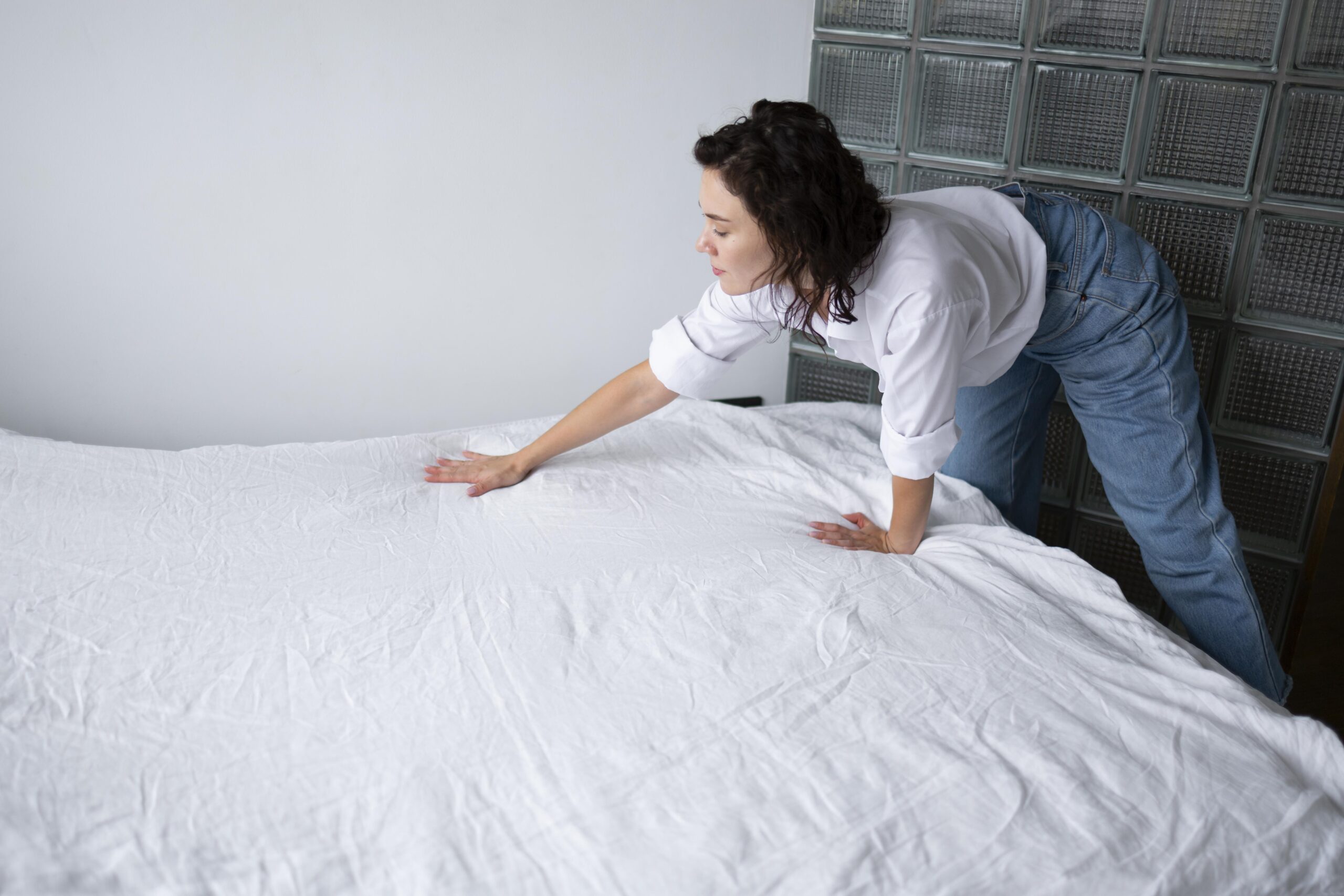
Heat treatment is generally considered an eco-friendly pest control solution. Heat treatment involves using high temperatures to kill pests without chemicals, such as bed bugs.

Heat treatment raises the affected area’s temperature to a level lethal to pests, typically between 120-140°F. This high temperature can penetrate even the tiniest crevices, eliminating pests in all stages of their life cycle, from eggs to adults.

Advantages of Heat Treatment

  • Safe: Compared to traditional pest control methods, which often involve harmful chemicals that can adversely affect human health and the environment, heat treatment is considered a safer and more sustainable alternative.
  • Usable in Various Settings: Heat treatment suits various settings, from residential homes to hotels and commercial buildings. It is also effective against many pests, including bed bugs, termites, and cockroaches.
  • Heat treatment is an effective and eco-friendly pest control solution that can help eliminate pest infestations without harmful chemicals.

Importance of Professional Pest Control Services
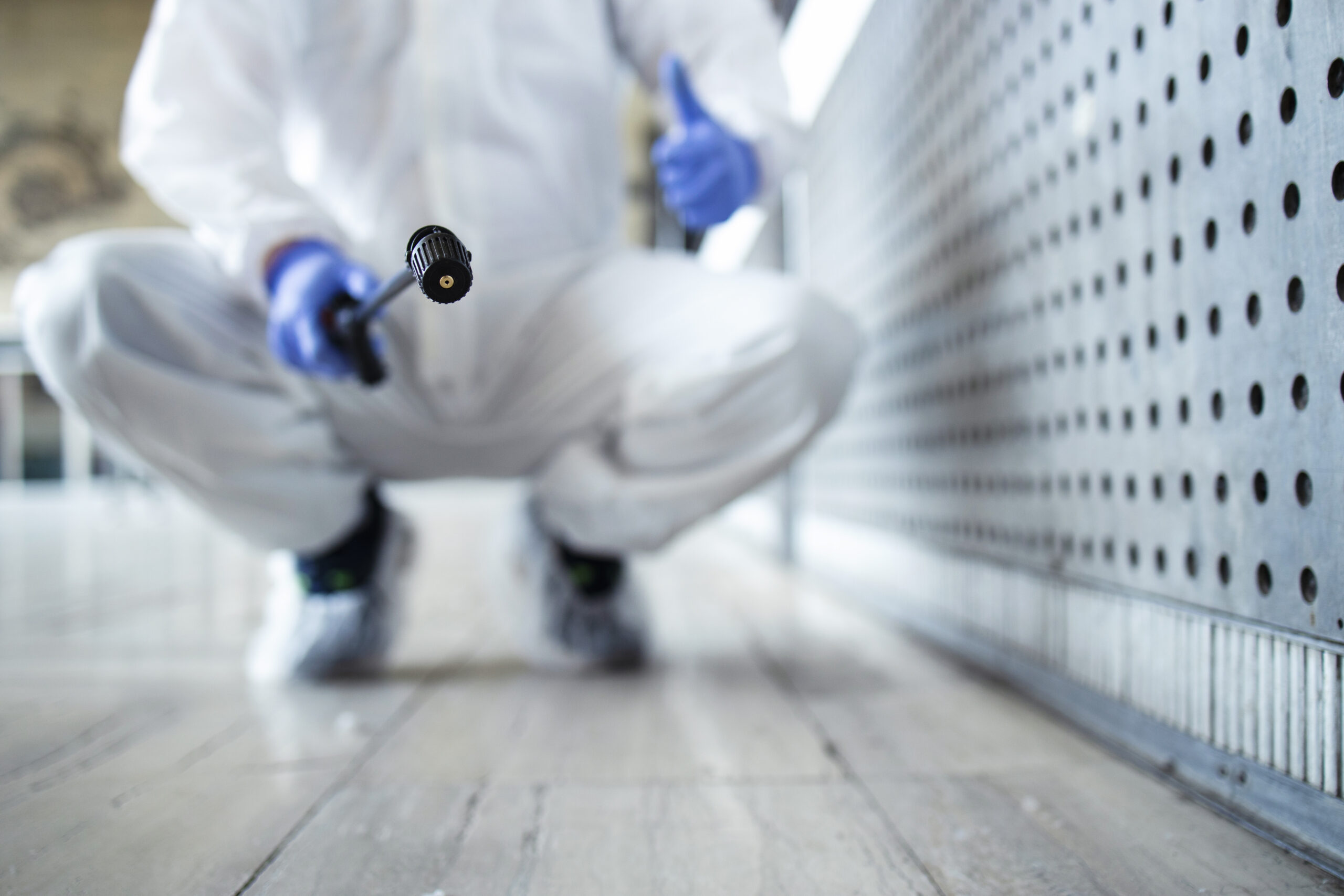

While many DIY pest control solutions are available, professional pest control services offer several advantages that make them a worthwhile investment.
Here are some reasons why it’s essential to consider professional pest control services:

  1. Expertise and Experience: Professional pest control technicians have the knowledge and experience to effectively identify and treat various pest problems. They can recognize signs of infestations that may be missed by untrained eyes and use their knowledge to develop customized treatment plans tailored to your specific needs.
  2. Safety: Professional pest control technicians can access effective and safe pest control products and methods unavailable to the general public. They have the training and equipment to apply these products safely and comply with environmental regulations.
  3. Time and Convenience: Pest control treatments can be time-consuming and often require multiple visits. Professional pest control services can handle the job, saving you time and hassle.
  4. Cost-effective: While professional pest control services may seem like an added expense, they can save you money in the long run. DIY treatments may seem less expensive upfront, but if they are not effective, the cost of repeated treatments can quickly add up. Professional pest control services can eliminate pests efficiently and effectively, reducing the likelihood of future infestations.
  5. Preventative Measures: Professional pest control services eliminate pests and help prevent future infestations by identifying and addressing potential entry points and providing ongoing monitoring and maintenance services.
  6. Peace of Mind: The most crucial benefit of professional pest control services is peace of mind. Knowing your home or business is free from pests can alleviate stress and provide a comfortable and healthy living or working environment.

While many DIY pest control solutions are available, professional pest control services offer several advantages that make them a worthwhile investment.
From expertise and experience to safety and convenience, professional pest control services can provide effective and long-lasting solutions to pest problems while providing peace of mind.

Importance of Professional Pest Control Services
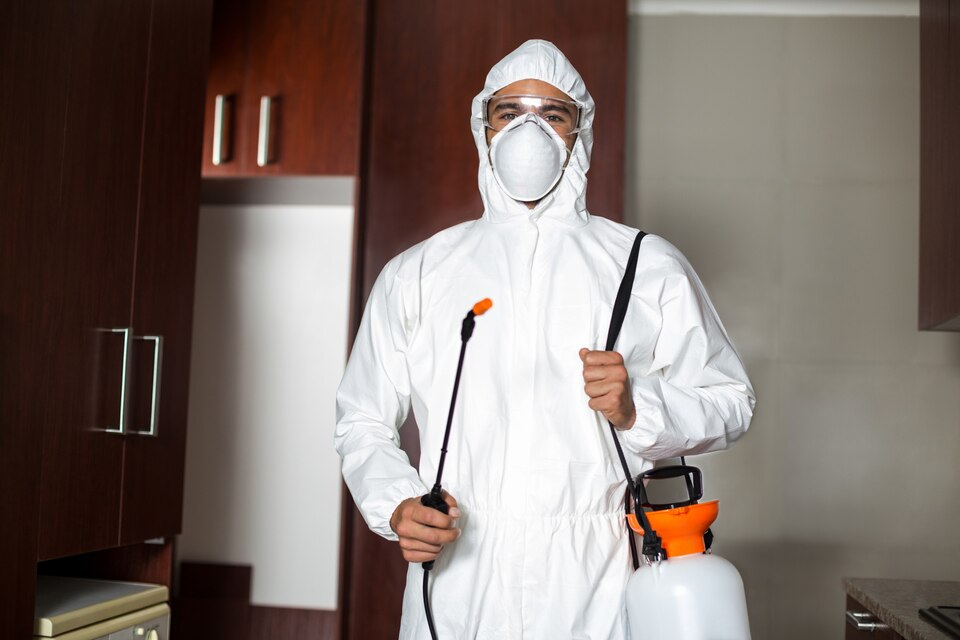

At Bed Bug Specialists, we understand the importance of eco-friendly pest control solutions and the benefits of professional pest control services.
Our team of trained technicians has the expertise and experience to identify and treat various pest problems, including bed bugs, termites, and cockroaches.
We use effective and safe pest control products and methods unavailable to the general public and provide ongoing monitoring and maintenance services to help prevent future infestations.
Our services include:

  • Heat Treatment
  • Bed Bug Prevention Encasements
  • Interceptors
  • Pest Control and Extermination

If you are experiencing a pest problem, don’t hesitate to contact us. We offer customized treatment plans tailored to your specific needs and can provide the peace of mind that comes with knowing your home or business is free from pests.
We serve Lansing, MI, DeWitt, MI, Mount Pleasant, MI, Warsaw, MI, Ionia, MI, Grand Rapids, MI and the surrounding areas.
Contact us today to schedule a consultation.
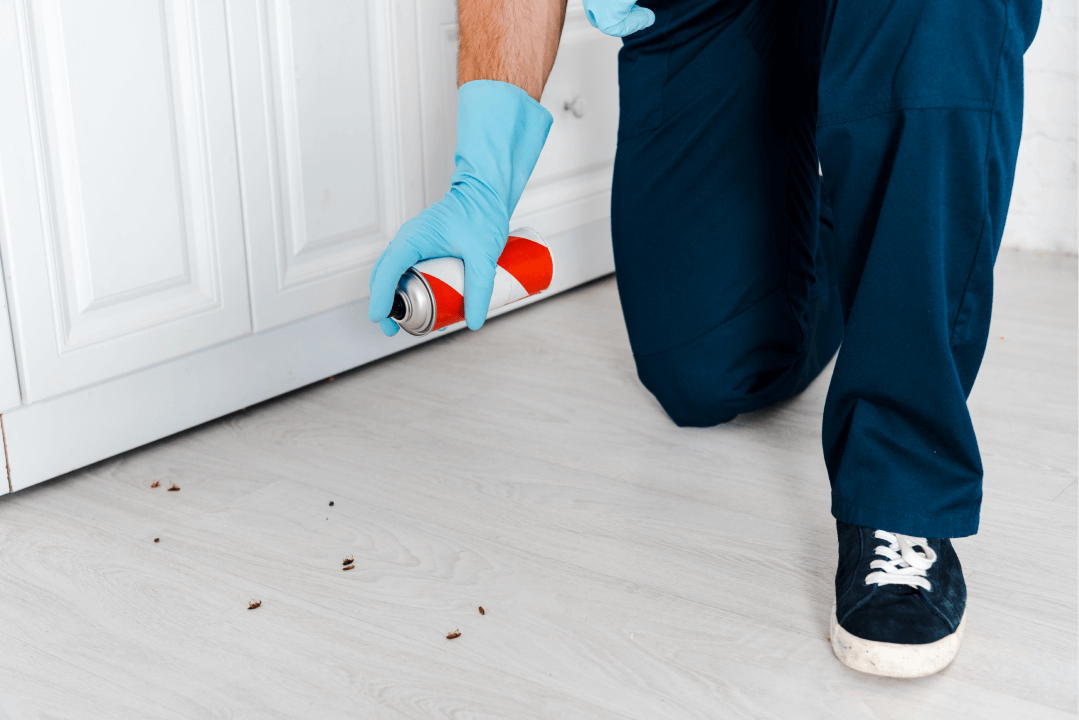
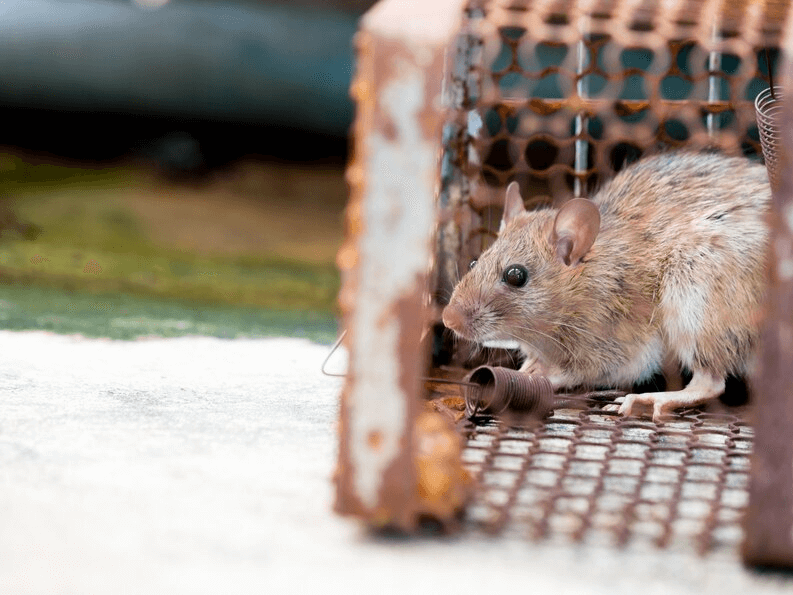
Pest Extermination Methods in Marshall, MI

Pest extermination is essential to maintaining a healthy and hygienic environment in Marshall, MI.

Various methods are used to eliminate pests such as rodents, insects, and other critters. Each method has its benefits and limitations, and it is essential to choose the right one for your situation.

This article will discuss the most common pest extermination methods in Marshall, MI, and the benefits of each.

Chemical Extermination

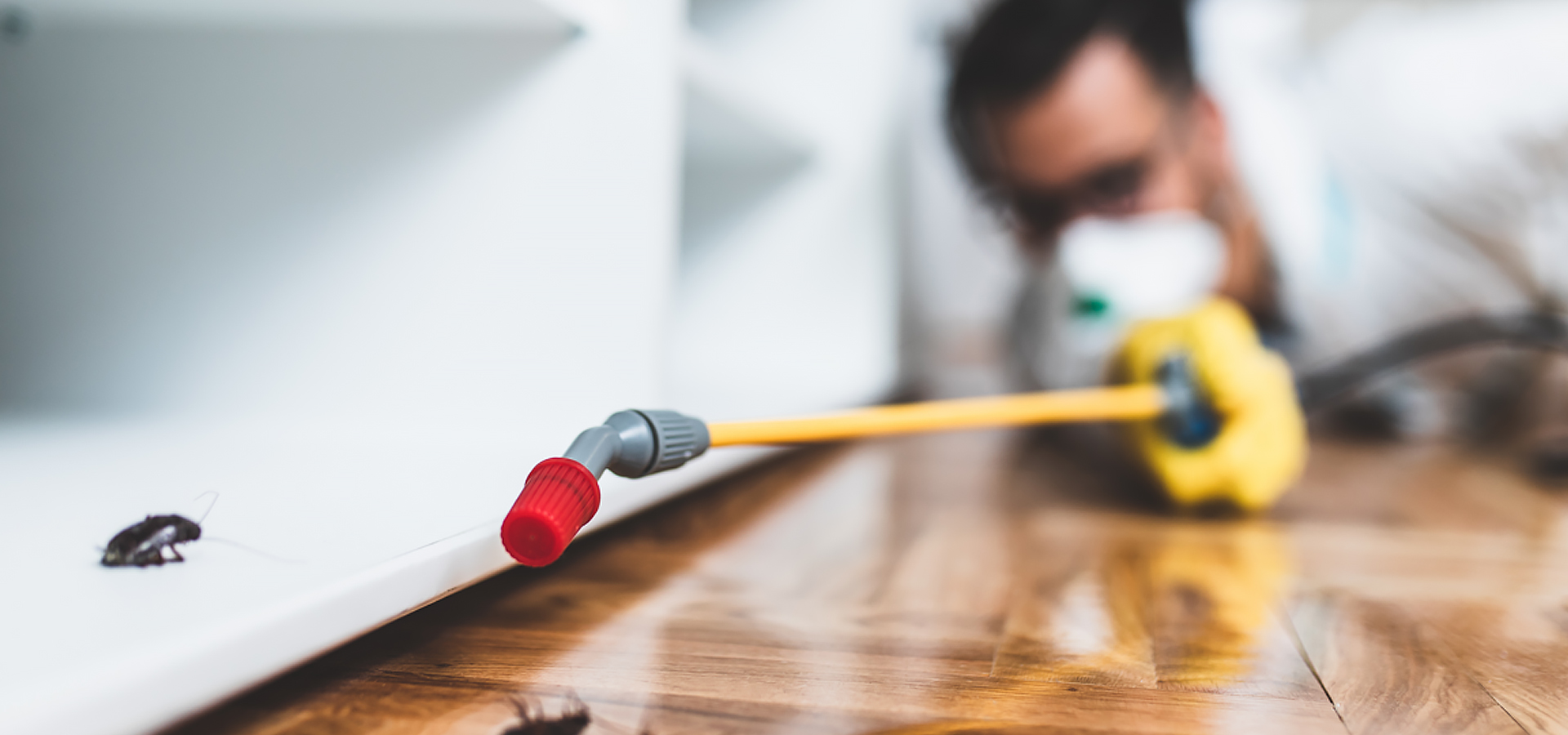
Chemical extermination is one of Marshall, MI’s most common pest control methods. This method involves the use of pesticides to kill pests.

Benefits:

  • Effectiveness: Chemical extermination is one of the most effective pest control methods, as it can quickly kill several pests.
  • Affordability: Chemical extermination is one of the most affordable pest control methods, making it accessible to many.
  • Efficiency: Chemical extermination is a fast solution to pest control problems, as the pesticides work quickly to kill pests.

Cons:

  • Health Concerns: Chemical extermination can harm humans and pets if used incorrectly. It is essential to follow the instructions carefully to avoid accidental poisoning.
  • Residue: Pesticides can leave environmental residue, harming wildlife and the ecosystem.
  • Resistance: Over time, pests can develop resistance to certain pesticides, making them less effective in controlling their populations.

Trapping

Trapping is another typical method of pest extermination. This method involves using traps to catch pests such as mice and rats.

Benefits:

  • Safety: Trapping is a safe method of pest control, as it does not use harmful chemicals.
  • Effectiveness: Trapping controls pest populations, as it can quickly and efficiently catch pests.
  • Environmentally Friendly: Trapping is an environmentally friendly alternative to chemical extermination, as it does not use harmful chemicals.

Cons:

  • Time-Consuming: Trapping can be time-consuming, as you need to check the traps and dispose of any pests caught regularly.
  • Limited Effectiveness: Trapping is ineffective for controlling large populations of pests, as it can only catch a limited number of pests at a time.

Baiting

Baiting is a method that involves using food to lure pests into traps or stations. Once the pests have taken the bait, they are killed by a poison or other substance.

Benefits:

  • Ease of Use: Baiting is a simple and easy pest control method, as you only need to set the bait and wait for pests to take it.
  • Targeted Pest Control: Baiting allows you to target specific pests, as you can choose the type of bait that attracts the particular pest you want to control.

Cons:

  • Accessibility: Baits need to be kept out of reach of children and pets to avoid accidental poisoning.
  • Limited Effectiveness: Baiting is not practical for controlling large populations of pests, as it can only kill a limited number of pests at a time.

Physical Exclusion

Physical exclusion is a method that involves blocking or sealing entry points for pests. This method prevents rodents and insects from entering a home or building.

Benefits:

  • Safety: Physical exclusion is a safe pest control method, as it does not use harmful chemicals.
  • Long-term Effectiveness: Physical exclusion is a long-term solution to pest control, as pests will be unable to enter the premises once the entry points are sealed.
  • Environmentally Friendly: Physical exclusion is an environmentally friendly alternative to chemical extermination, as it does not use harmful chemicals.
  • Cost-Effective: Physical exclusion can be a cost-effective solution to pest control, as it does not require using any chemicals or traps.

Cons:

  • Time-Consuming: Physical exclusion can be time-consuming, as you need to inspect the premises.
  • Requires Expertise: The method requires expert experience to ensure all entry points are properly sealed.

Biological Control

Biological control is a pest extermination method that uses natural predators and parasites to control pest populations.

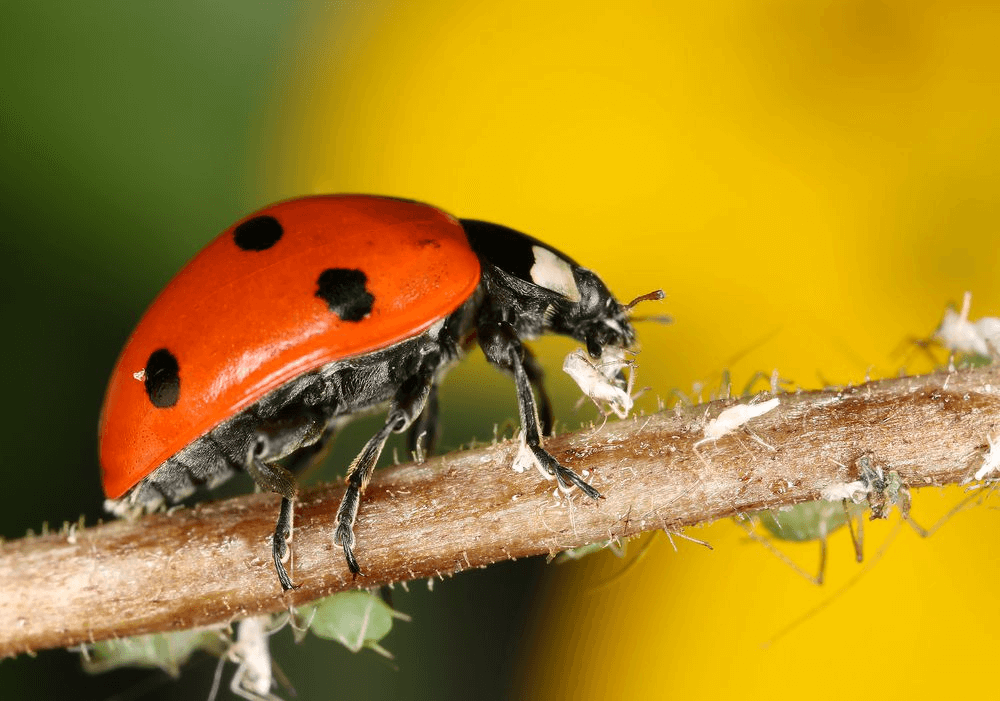
This method involves introducing natural predators, such as ladybugs, into an environment to control pests such as aphids.

Benefits:

  • Environmentally Friendly: Biological control is an environmentally friendly alternative to chemical extermination, as it uses natural predators to control pests.
  • Long-term Effectiveness: Biological control can be a long-term solution to pest control, as the predators and parasites can continue to control pest populations over time.
  • Safety: Biological control is a safe method of pest control, as it does not use harmful chemicals.

Cons:

  • Limited Effectiveness: Biological control may not be effective in controlling large populations of pests, as the predators and parasites may be unable to keep up with the pest populations.
  • Time-Consuming: Biological control can be time-consuming, as it may take time for the predators and parasites to establish themselves in the environment.

Integrated Pest Management (IPM)

IPM is a pest extermination method using a combination of techniques to control pest populations.

This method consists of physical exclusion, baiting, trapping, and chemical extermination and monitoring and adjusting strategies as needed.

Benefits:

  • Customizable: IPM allows you to choose the methods that are best suited for your specific situation, as it can be customized to fit your needs.
  • Long-term Effectiveness: IPM can be a long-term solution to pest control, as it involves monitoring and adjusting strategies over time to ensure continued control of pest populations.
  • Environmental Friendly: IPM can be an environmentally friendly alternative to chemical extermination, as it can involve using non-chemical methods to control pests.

Cons:

  • Requires Expertise: IPM may require a professional’s expertise to ensure the correct method’s usage and that the strategies are as needed.
  • Time-Consuming: IPM can be time-consuming, as it involves monitoring and adjusting processes to ensure continued control of pest populations.

Heat Assault Treatment

Pest Extermination Methods in Marshall, MI

Last but not least, heat treatment is a pest extermination method that uses high temperatures to kill pests, especially bed bugs.

This method involves heating the affected area to a temperature that is lethal to pests but safe for humans and pets.

Benefits:

  • Effectiveness: Heat treatment is an effective method of controlling pests, as it can kill all stages of pests, including eggs, larvae, and adult insects.
  • Non-toxic and eco-friendly: Heat treatment uses high temperatures to kill pests without toxic chemicals, making it an environmentally friendly option.
  • Effective against a wide range of pests: Heat treatment can eliminate various pests, including bed bugs, termites, and other insects.
  • Can be used in residential and commercial settings: Heat treatment is versatile and can be used in both residential and commercial buildings, making it a flexible solution for pest control.
  • No residual chemicals or contamination: Unlike traditional pest control methods that leave behind residual chemicals, heat treatment leaves no residue and poses no risk of contamination to the environment or occupants.
  • Minimal preparation and cleanup required: Heat treatment requires minimal preparation, making it a convenient and efficient option. Cleanup is also minimal, with no need to dispose of hazardous materials.
  • Can penetrate hard-to-reach areas: Heat treatment can reach and penetrate areas that are difficult to access, ensuring thorough extermination of pests.

Cons:

  • Cost: Heat treatment is a costlier pest control method than other methods.
  • Requires Expertise: Heat treatment may require the expertise of a pest control professional to ensure that the temperature is high enough to kill pests but safe for humans and pets.

There are several pest extermination methods, each with its benefits and cons. When choosing, it is essential to consider the type of pest, the environment, and the safety and sustainability of the method.

When selecting a pest extermination method, it is ideal to consult a pest control professional to ensure that the most effective and safe way is used.

Factors to Consider When Selecting a Pest Extermination Company

Whether it’s a mouse in the kitchen, ants in the bathroom, or termites in the walls, pests can cause damage and spread diseases.

Before you get pest extermination services, you must consider certain factors.

  1. License and certification: Pest control companies need licensing to ensure they are qualified and are working within the set standards.
  2. Pest type and severity: Consider the kind of pest you need to control and the severity of the infestation. A professional pest control company should be able to assess and recommend an effective solution.
  3. Method of extermination: Choose a company that uses environmentally friendly and safe procedures, such as integrated pest management (IPM) strategies.
  4. Cost: Compare the price of different pest control services to find a company that offers affordable rates while maintaining quality and safety.
  5. Reputation: Research the company’s reputation by reading online reviews and checking with the Better Business Bureau. Choose a company with a good track record of providing effective and reliable pest control services.
  6. Availability: Consider the company’s availability, including their response time and scheduling flexibility, to ensure they can provide prompt and convenient service.

By working with a professional, you can ensure that your pest control needs are met and that you can enjoy a pest-free environment.

Get Top Pest Control Services in Marshall, MI

We are a leading pest control service company with several years in the pest control industry.

We understand the importance of choosing the best pest control service, but with so many options available, it can take time to figure out where to start.

However, Bed Bug Specialists, LLC offers the best pest control and thorough inspection services at reasonable prices.

We are dedicated to providing top-notch pest control services in Lansing, MI, Marshall, MI, Battle Creek, Grand Rapids, Warsaw, MI, and the surrounding areas.

From termite control to eradication of rodents and other insects, we do it all.

We specialize in the following:

  • Heat Treatment
  • Encasements
  • Interceptors
  • Pesticides
  • Pest Control and Extermination
  • Pest Inspection

Whether you are dealing with a pest problem in the middle of the night or on the weekend, you can count on us to provide prompt and professional services.

Contact us today to schedule a consultation, and for a free quote for the service you need.

Effective Bed Bug Prevention in Dewitt, MI

Do you wake up with itchy red bites on your skin? Are you constantly worried about bringing bed bugs home from your travels?

Well, it’s time to say goodbye to those pesky bed bugs and hello to a good night’s sleep. In DeWitt, MI, bed bugs are a common problem, but they don’t have to be permanent. 

This article will cover effective bed bug prevention in DeWitt, MI, and simple, actionable tips so you can enjoy a bug-free home.

Let’s go!

Understanding Bed Bugs

Before we dive into the prevention tips, let’s first understand what bed bugs are and why they’re a problem. Bed bugs are small, reddish-brown insects that feed on the blood of humans and animals.

They are excellent hitchhikers and can quickly spread from one location to another, making them a major problem in homes, hotels, and other public places.

Bed bugs have been around for centuries. However, in recent years, bed bugs have made a resurgence thanks to increased international travel, a lack of public awareness, and the development of insecticide-resistant bed bug strains.

Bed bugs are a problem because they can cause skin irritation and allergic reactions. They are also notoriously difficult to eliminate once they’ve established themselves in your home. 

Some common symptoms of bed bug bites include itching, swelling, and redness. In severe cases, bed bug bites can cause anaphylaxis, a life-threatening allergic reaction.

Prevention Tips

Regular Inspections

One of the critical components of bed bug prevention is regular home inspection.

While professional inspection is the best, as they can easily detect new pest activity, you can also make it a habit to inspect your home, particularly your sleeping areas.

Look for signs of bed bugs, such as shed skins, eggs, and live bugs. If you do find evidence of bed bugs, don’t panic. The earlier you detect the bed bug problem, the easier it will be to eliminate them.

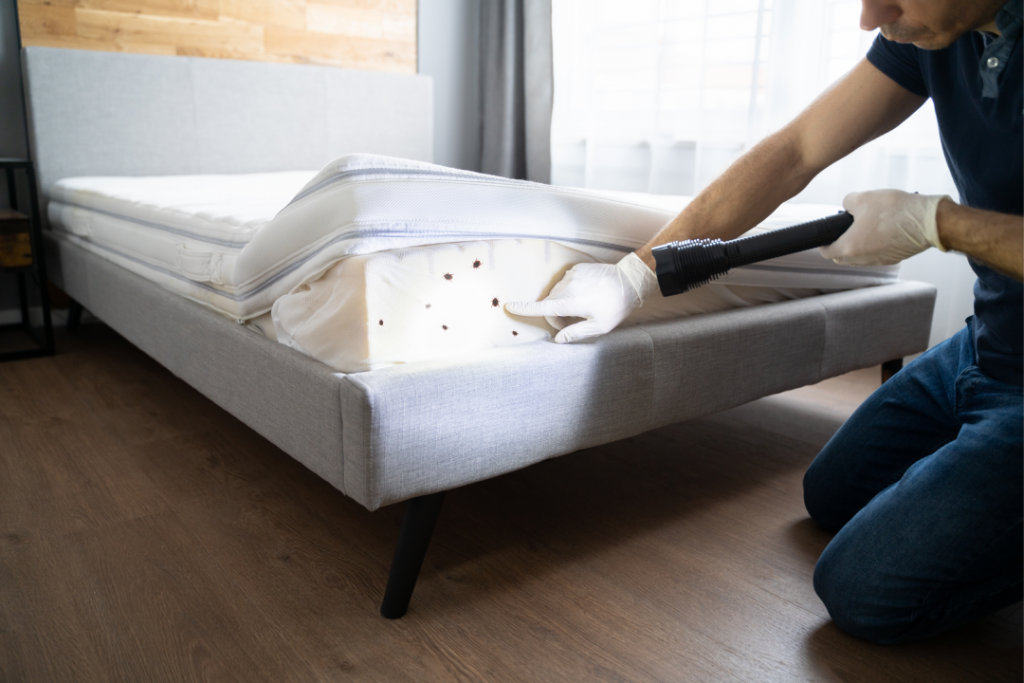
To perform an inspection, start by removing your sheets and looking for evidence of bed bugs on your mattress. Check around the seams and buttons for live bugs, shed skins, and eggs.

It would help if you also inspected the surrounding areas, including your bed frame, headboard, and nightstands. If you find evidence of bed bugs, you must act quickly and seek professional help.

Cleanliness Is Crucial

Travel Smart

If you’re traveling, inspect your hotel room before settling in. Bed bugs are often found in hotels and other public places, so it’s essential to be vigilant when staying in a new environment.

Check the bed and surrounding areas for signs of bed bugs, and if you see anything suspicious, request a new room or leave the hotel immediately. When you return home from your travels, wash your clothes and inspect your luggage for bed bugs.

Use Encasements

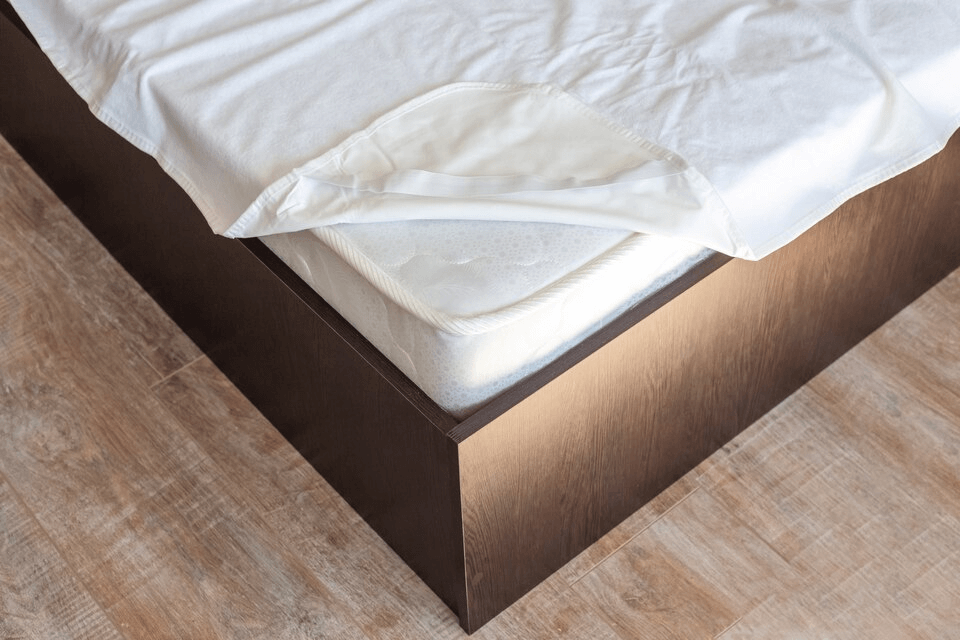
Another effective bed bug prevention measure is the use of encasements. Encasements are specially designed covers that cover your mattress and box springs, trapping any bed bugs inside.

This makes it difficult for bed bugs to bite you and makes it easier to spot any infestations, as you’ll be able to see the bugs through the encasement.

When choosing an encasement, look for a high-quality, bed bug-proof material. Encasements should be easy to install, durable, and tear-resistant, and should fit snugly around your mattress and box springs.

Seek Professional Help

If you suspect you have a pest problem, don’t hesitate to seek professional help. A pest control company in DeWitt, MI, can provide effective treatments and help you eliminate bed bugs.

Professional treatments may involve insecticides, heat treatments, and other methods and can be much more effective than DIY solutions.

Tell Tale Signs That You Have Bed Bugs


Identifying bed bugs can be challenging, as they are small and elusive creatures. However, there are a few signs you can look for to determine if you have an infestation. 
Here are some ways to tell if you have bed bugs:

  • Bites on the Skin: One of the most obvious signs of bed bugs is bites on the skin. Bed bugs feed on human blood; their bites can cause red, itchy welts. If you wake up with bites on your skin, it’s a strong indicator that you have bed bugs.
  • Physical Evidence: Another way to tell if you have bed bugs is to look for physical evidence of their presence. Bed bugs are small, reddish-brown insects about the size of an apple seed. They leave behind small, reddish-brown fecal spots on sheets, mattresses, and other surfaces and may also find shed skins or eggs near the bed.
  • Foul Odor: Bed bugs produce a distinct, musty odor that can be difficult to detect. However, if you have a large infestation, you may be able to smell it in the area where the bed bugs are present. This is due to the pheromones produced by the bugs, which can be very strong.

If you suspect you have bed bugs, it’s essential to act quickly. The longer you wait, the more difficult it will be to eliminate the infestation. Contact a pest control professional in DeWitt, MI to schedule an inspection and get started on the road to bed bug-free living.

What if I Find I Have Bed Bugs?

If you realize you have bed bugs, taking immediate action will make eliminating them less hectic. Here are a few practical steps you can take to manage a bed bug infestation effectively:

Clean And Vacuum Thoroughly

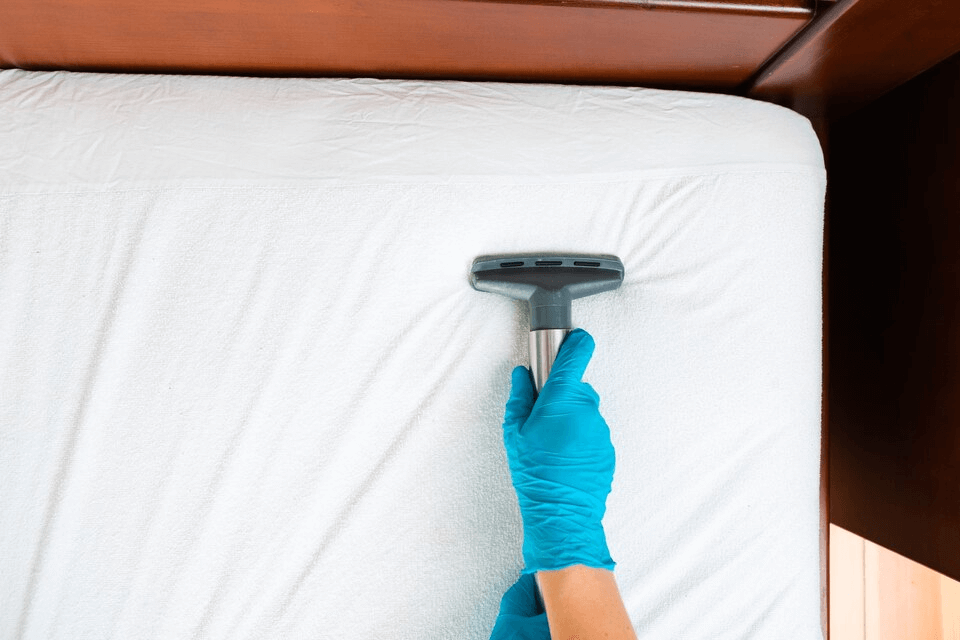
The first step in eliminating bed bugs is to clean and vacuum thoroughly. This will help remove loose bugs, eggs, and debris from your home.

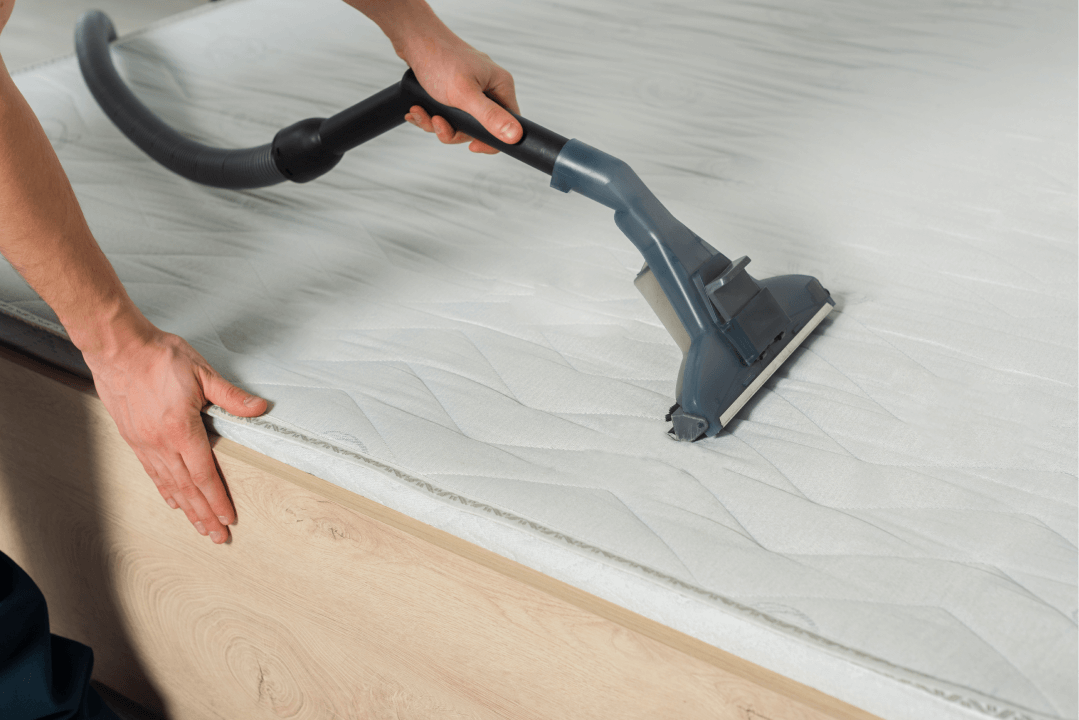
Pay special attention to the areas around the bed and the other regions where you’ve seen evidence of bed bugs. Vacuum the mattress, box springs, and surrounding areas to remove as many bugs and eggs as possible.

Wash And Dry Your Clothes And Bedding

Next, wash and dry your clothes and bedding in the hottest setting possible. This will kill any bed bugs that may be present in these items.

Make sure to wash and dry all bedding, including sheets, pillowcases, and blankets. Consider storing these items in airtight containers until the infestation is under control.

Use Insecticides

Insecticides are an effective way to get rid of bed bugs. Various insecticides are available, including sprays, dust, and baits.

Choose an insecticide designed to target bed bugs, and follow the instructions carefully. Be sure to apply the insecticide in all the areas where bed bugs have been seen, and repeat the treatment as necessary.

Seek Professional Help

Professional pest control services are the most reliable. So, if you’re having trouble getting rid of bed bugs, consider seeking professional help. 

A pest control company in DeWitt, MI, can provide effective treatments and help you eliminate bed bugs. Professional treatments may involve insecticides, heat treatment, and other methods and can be much more effective than DIY solutions.

Remember, bed bugs can be challenging to get rid of, but with the right approach, you can eliminate them and keep them from returning.

Don’t hesitate to reach out for help if you need it, and stay vigilant about bed bug prevention in the future.

Get Safe, Effective Bed Bug Prevention and Control Services in Dewitt, MI

Bed bugs are a nuisance that no one wants to deal with. But with the proper knowledge and approach, you can effectively prevent and manage bed bug infestations in your home.

By following the tips outlined in this article, you can keep your home bed bug-free and enjoy a peaceful, comfortable sleeping environment.

If you’re looking for professional bed bug control in the DeWitt area, look no further than Michigan Bed Bug Specialists. 

We are a locally operated business serving Dewitt, Marshall, Lansing and the surrounding areas.

Our team of experienced technicians is dedicated to helping homeowners get rid of bed bugs once and for all. 

With our comprehensive solutions and commitment to customer satisfaction, you can trust us to provide effective and reliable bed bug control.

Our Services include:

  • Heat Treatment
  • Bed Bug Prevention Encasements
  • Interceptors
  • Pest Control and Extermination
  • All Common Pests Control
  • Termite Treatment

Contact us today to learn more and schedule your consultation.

Bed Bug Treatment 101: Expert Advice on Eliminating These Pesky Pests

Bed bugs are the ultimate nightmare for any homeowner or hotel manager. These pesky pests are notoriously difficult to get rid of, and their bites can leave you with itchy welts for days. If you’re dealing with a bed bug infestation, you’re not alone. Bed bugs are a common problem around the world, and they can be found in even the cleanest and most well-maintained homes. But don’t worry, there is hope! With the right knowledge and treatment, you can eliminate bed bugs from your home or business and get back to a peaceful and restful night’s sleep. In this article, we’ll provide you with expert advice on bed bug treatment, including tips for identifying bed bugs, effective treatment options, and preventative measures you can take to keep them from coming back. So, let’s dive into Bed Bug Treatment 101 and say goodbye to these unwanted houseguests for good!

Signs of a Bed Bug Infestation

The first step in treating bed bugs is identifying the problem. Bed bugs are small, brownish-red insects that are about the size of an apple seed. They are most commonly found in mattresses, box springs, and bed frames, but they can also be found in other areas of the home, such as behind baseboards, under wallpaper, or in cracks and crevices. Some common signs of a bed bug infestation include:

– Red, itchy bites on your skin, often in a straight line or cluster

– Small bloodstains on your sheets or pillowcases

– Dark spots on your mattress or furniture, which may be bed bug excrement

– A musty odor in the room, which may indicate a large infestation

If you suspect that you have a bed bug infestation, it’s important to act quickly to prevent the problem from getting worse. Bed bugs can reproduce quickly, and a small infestation can turn into a large one in just a few weeks.

Health Risks Associated with Bed Bugs

While bed bugs are not known to transmit diseases, their bites can be itchy and painful. In some cases, bed bug bites can cause an allergic reaction, which may result in swelling, redness, and difficulty breathing. Additionally, scratching the bites can lead to a secondary infection. If you have a bed bug infestation, it’s important to take steps to eliminate the problem as soon as possible to prevent further bites and potential health issues.

Bed Bug Treatment Options – DIY vs Professional Services

When it comes to treating bed bugs, there are two main options: DIY treatments and professional services. DIY treatments can be effective if you catch the infestation early and follow the proper steps. However, if the infestation is large or has spread throughout your home, it may be best to seek the help of a professional. Professional exterminators have the knowledge and equipment needed to effectively eliminate bed bugs from your home.

Preparing for Bed Bug Treatment

Whether you choose to do a DIY treatment or hire a professional, it’s important to prepare your home for treatment. This includes:

– Removing clutter from the room, including clothing, bedding, and other items

– Vacuuming the room thoroughly, including the mattress and box spring

– Washing all bedding and clothing in hot water

– Sealing any cracks or crevices in the room to prevent bed bugs from escaping

Preparing your home for treatment is an important step in eliminating bed bugs. By following these steps, you can ensure that the treatment is as effective as possible.

Steps for DIY Bed Bug Treatment

If you decide to do a DIY bed bug treatment, there are several steps you can take to eliminate the problem. These include:

1. Vacuuming – Use a vacuum with a HEPA filter to thoroughly clean the room, including the mattress, box spring, and furniture. Be sure to dispose of the vacuum bag outside of your home.

2. Steaming – Use a steam cleaner to treat any areas where bed bugs may be hiding, such as baseboards, furniture, and bedding.

3. Encasing – Use special bed bug encasements to cover your mattress and box spring. This will prevent bed bugs from infesting your bed.

4. Diatomaceous Earth – Apply diatomaceous earth to areas where bed bugs may be hiding, such as cracks and crevices. This natural powder is safe for humans and pets, but it is deadly to bed bugs.

5. Repeat – Repeat these steps every 7-10 days for several weeks to ensure that all bed bugs have been eliminated.

While DIY treatments can be effective, they may not be enough to eliminate a large or widespread infestation. In these cases, it’s best to seek the help of a professional exterminator.

Recommended Professional Bed Bug Treatment Methods

Professional exterminators have access to a variety of treatment methods that are more effective than DIY treatments. Some common professional bed bug treatment methods include:

– Heat Treatment – This involves heating the room to a temperature that is lethal to bed bugs. This method is effective and can eliminate bed bugs in just one treatment.

– Chemical Treatment – This involves using insecticides to kill bed bugs. Professional exterminators have access to stronger and more effective insecticides than those available to the general public.

– Fumigation – This involves sealing the room and using a gas to eliminate bed bugs. This method is typically used in severe infestations.

Professional bed bug treatment can be expensive, but it is often the most effective way to eliminate bed bugs from your home.

Preventing Future Bed Bug Infestations

Prevention is key when it comes to bed bugs. To prevent future infestations, you should:

– Inspect secondhand furniture before bringing it into your home

– Use bed bug-proof encasements on your mattress and box spring

– Vacuum your home regularly

– Seal any cracks or crevices in your home

– Be cautious when traveling, and inspect hotel rooms for signs of bed bugs

By taking these preventative measures, you can reduce your risk of a future bed bug infestation.

Frequently Asked Questions About Bed Bugs

Q: Can bed bugs fly or jump?

A: No, bed bugs cannot fly or jump. They can only crawl.

Q: Can bed bugs live in my hair?

A: No, bed bugs prefer to feed on exposed skin and will not live in your hair.

Q: Can I get rid of bed bugs on my own?

A: Yes, it is possible to eliminate bed bugs on your own, but it may be difficult for large or widespread infestations.

Q: How long do bed bugs live?

A: Bed bugs can live for several months without feeding.

Q: Can bed bugs survive in extreme temperatures?

A: No, bed bugs cannot survive in temperatures above 120°F or below 32°F.

Conclusion and Final Tips for Eliminating Bed Bugs

Bed bugs are a common problem, but they can be eliminated with the right knowledge and treatment. Whether you choose to do a DIY treatment or hire a professional exterminator, it’s important to act quickly to prevent the problem from getting worse. By following the steps outlined in this article, you can eliminate bed bugs from your home and prevent future infestations. Remember to inspect secondhand furniture, use bed bug-proof encasements, and vacuum your home regularly. With these preventative measures, you can sleep soundly knowing that your home is free of these pesky pests.

Bed Bugs: The Complete Guide to identification, Causes, Prevention and Extermination

Table of Contents:

Introduction

Causes of Bed Bug Infestations

Origins and Spread

How to Prevent Bed Bugs

Identifying Bed Bug Infestations

How to Get Rid of Bed Bugs

Conclusion

Introduction

Bed bugs (Cimex lectularius) are small, elusive, and highly resilient insects that feed primarily on human blood. They are a common pest worldwide and are known for their ability to infest homes, hotels, and other living spaces (1). This article aims to provide a comprehensive understanding of the causes of bed bug infestations, where they come from, how to prevent them, and how to get rid of them once you have them.

Causes of Bed Bug Infestations

The primary cause of bed bug infestations is human activity, as these insects rely on human blood for survival and reproduction (2). Bed bugs can easily hitchhike on luggage, clothing, and furniture, making it easy for them to spread from one location to another. The most common causes of bed bug infestations include (3):

  • Travel: Bed bugs can easily attach themselves to luggage and personal items during travel, especially when staying in hotels, hostels, or other temporary accommodations.
  • Second-hand furniture: Purchasing used furniture, mattresses, or textiles can bring bed bugs into a home.
  • Close living quarters: Apartments, dormitories, and other shared living spaces can facilitate the spread of bed bugs between units.
  • Lack of awareness: Unawareness of the signs of bed bug infestations and improper prevention measures can lead to the establishment and spread of these pests.

Origins and Spread

Bed bugs are believed to have originated from bat-feeding insects in the Middle East and later adapted to feed on human blood (4). They have been a nuisance to humans for thousands of years, with mentions of bed bug-like insects dating back to ancient Greece, Rome, and Egypt (5). The global spread of bed bugs is closely linked to human migration and trade, including the expansion of the Roman Empire and the Age of Exploration (6).

In the 20th century, bed bugs were almost eradicated in developed countries due to the widespread use of potent insecticides like DDT (7). However, with the banning of DDT and other harmful chemicals in the 1970s and increased global travel, bed bugs have made a resurgence worldwide (8).

How to Prevent Bed Bugs

Preventing bed bug infestations requires a combination of vigilance, knowledge, and regular maintenance. Here are some effective strategies for avoiding bed bugs (9):

  • Inspect accommodations: When traveling, inspect hotel rooms, hostels, or other temporary lodgings for signs of bed bugs. Check the seams of mattresses, box springs, headboards, and furniture for any evidence of bed bugs or their feces.
  • Keep luggage off the floor: Use luggage racks or elevated surfaces to store your belongings and minimize the risk of bed bugs hitching a ride on your luggage.
  • Seal and secure your home: Repair any cracks or crevices in walls, floors, and baseboards to eliminate potential hiding places for bed bugs. Install door sweeps and seal gaps around pipes and electrical outlets.
  • Regularly clean and inspect your home: Vacuum and clean your home regularly, paying special attention to the bedroom and sleeping areas. Inspect your mattress, box spring, and bed frame for signs of bed bugs.
  • Be cautious with second-hand items: Inspect and clean used furniture, clothing, and textiles thoroughly before bringing them into your home. If possible, use a heat treatment to kill any bed bugs that may be present.

Identifying Bed Bug Infestations

Early detection is crucial for controlling bed bug infestations and preventing their spread. Here are some signs that may indicate the presence of bed bugs (10):

  • Physical evidence: Adult bed bugs are small, reddish-brown, and oval-shaped, measuring about 4-5 millimeters in length. They can be found in the seams of mattresses, along baseboards, in the folds of curtains, and behind picture frames.
  • Fecal spots: Bed bugs leave behind small black or brown fecal spots on bedding, mattresses, and nearby surfaces. These spots are often clustered in groups and may have a strong, sweet odor.
  • Bites: Bed bug bites typically appear as small, red, itchy welts in a linear or clustered pattern. However, not everyone reacts to bed bug bites, making them an unreliable indicator of infestations.
  • Cast skins: As bed bugs grow, they shed their outer exoskeleton, leaving behind pale, translucent skins that resemble the shape of a bed bug.
  • Eggs and nymphs: Bed bug eggs are tiny, white, and oval-shaped, while nymphs resemble smaller, paler versions of adult bed bugs. They can be found in the same hiding spots as adult bed bugs.

How to Get Rid of Bed Bugs

Eradicating bed bugs can be challenging due to their resilience and ability to hide in small spaces. A combination of chemical and non-chemical methods is often necessary for effective control (11):

  • Heat treatment: Bed bugs are sensitive to high temperatures, and exposing infested items to a sustained heat of 118-122degF (48-50degC) for at least 90 minutes can kill all life stages (12). Items such as bedding, clothing, and curtains can be laundered in hot water and dried on the highest heat setting. For larger items or entire rooms, professional bed bug heat treatments may be necessary.
  • Insecticides: Various chemical insecticides are available for bed bug control, including pyrethroids, neonicotinoids, and insect growth regulators (13). Always follow the label instructions and consult a professional exterminator if necessary.
  • Encasements: Mattress and box spring encasements can help trap bed bugs and prevent them from accessing sleeping areas. Ensure that the quality encasements are designed specifically for bed bug control and are properly installed.
  • Vacuuming and cleaning: Regular vacuuming and cleaning of infested areas can help reduce bed bug populations. Be sure to dispose of the vacuum contents in a sealed plastic bag and clean the vacuum thoroughly after use.
  • Integrated Pest Management (IPM): IPM is a comprehensive approach to bed bug control that combines multiple methods, including inspection, monitoring, sanitation, exclusion, and the judicious use of chemical treatments (14). Working with a professional exterminator who specializes in IPM can help ensure the most effective and efficient treatment plan.

Conclusion

Bed bugs are a persistent and challenging pest that can infest homes, hotels, and other living spaces worldwide. Understanding their origins, how they spread, and how to prevent and treat infestations is essential for maintaining a comfortable and healthy living environment. By staying vigilant, informed, and proactive, individuals can minimize the risk of bed bug infestations and effectively address any problems that may arise.

References:

Potter, M. F. (2011). Bed bugs. University of Kentucky Entomology. https://entomology.ca.uky.edu/ef636

Doggett, S. L., et al. (2012). Bed bugs: clinical relevance and control options. Clinical Microbiology Reviews, 25(1), 164-192. https://doi.org/10.1128/

10 reasons you should use a local company to exterminate your bed bugs

1. Knowledge of the environment:

Local bed bug exterminators have a better understanding of the local environment, which can affect the behavior of bed bugs. They know the specific areas where bed bugs are more likely to thrive and the common sources of infestation in the area. This knowledge enables them to provide better and more targeted extermination services.

2. They know what causes local problems:

Local bed bug exterminators have a deep understanding of the local community and its residents’ habits, which can contribute to bed bug infestations. This knowledge allows them to identify the root cause of the infestation, such as travel patterns, and offer preventative measures to avoid future problems.

3. Client Feedback:

Local exterminators rely on the satisfaction of their clients to stay in business. They depend on word of mouth referrals to maintain and grow their business. Therefore, they are more likely to take customer feedback seriously and work to improve their services based on that feedback.

4. Can do it better at a lower cost:

Local exterminators are usually smaller operations than national companies, which often means that they can offer more personalized service and better pricing. They may also be more flexible in their service offerings, as they can adapt to the specific needs of their clients.

5. They care about their neighbors:

Local exterminators live in the same community as their clients and, therefore, have a personal interest in providing high-quality services. They are invested in the well-being of their community and want to ensure that their neighbors are safe and healthy.

6. Lower overhead:

Local exterminators typically have lower overhead costs than larger national companies, which can translate into lower prices for their clients. They may also have more flexibility in their pricing structure, allowing them to offer more affordable services to those who need them.

7. Quick response time:

Local exterminators are usually more responsive than national companies, as they can quickly mobilize to address urgent pest problems in their area. This can be especially important in cases where bed bugs are spreading quickly and need to be dealt with as soon as possible.

8. Tailored solutions:

Local exterminators can tailor their services to the specific needs of their clients, taking into account factors like allergies, pets, and other sensitivities. They can work with their clients to develop a customized plan that addresses their unique situation, rather than providing a one-size-fits-all approach.

9. Personalized service:

Local exterminators are more likely to provide personalized service, as they have a smaller client base and can build relationships with their clients. They may also have more knowledge of individual properties and be better able to provide targeted treatment solutions.

10. Supporting local business:

Using a local bed bug exterminator supports the local economy and helps to keep jobs in the community. It’s an investment in the community and helps to build a stronger, more resilient local economy.

Why is Heat Treatment the Best Way to Exterminate Bed Bugs?

Heat treatment is considered one of the most effective ways to eliminate bed bugs for several reasons:

  1. Heat treatment is a non-chemical approach, which means there is no need for potentially harmful chemicals to be used in the process. This is particularly beneficial for individuals with sensitivities to chemicals or for those who want to minimize their exposure to them.
  2. Heat treatment for bed bugs are a comprehensive solution that kills all bed bugs at every stage of development, including eggs, nymphs, and adult bugs. Chemical treatments, on the other hand, may not be effective against all stages of bed bug development, which could result in a re-infestation.
  3. Heat treatment is a one-time treatment that can effectively eliminate bed bugs, unlike chemical treatments which may require multiple treatments over several weeks or months.
  4. Heat treatment can penetrate into areas that may be difficult to access with chemicals, such as cracks, crevices, and wall voids. Heat can also kill bed bugs hiding in items such as electronics, books, and furniture.
  5. Heat treatment can be completed faster than chemical treatments. Depending on the size of the infestation and the size of the space being treated, heat treatment can typically be completed in a single day.
  6. Heat treatment does not leave behind any residual chemicals, which means that the treated area can be occupied immediately after treatment.

Overall, while chemical treatments can be effective against bed bugs, heat treatment is considered a faster, safer, and more comprehensive solution that can eliminate bed bugs in a single treatment without the need for potentially harmful chemicals.


Here are 12 Steps You Should Take to Prepare Your Home for Bed Bug Heat Treatment:

  1. Remove all clutter and unnecessary items from the infested rooms. Bed bugs love to hide in clutter, so removing it will make the bed bug heat treatment more effective.
  2. Wash all linens, bedding, and clothing in hot water and dry them on high heat for at least 30 minutes. This will kill any bed bugs and their eggs.
  3. Empty all dressers, nightstands, and closets, and place the contents in sealed plastic bags. This will prevent bed bugs from hiding in these items during the heat treatment.
  4. Remove all electronics and other heat-sensitive items from the room. Heat treatments can damage electronics and other items that are sensitive to high temperatures.
  5. Vacuum the infested room thoroughly, paying special attention to seams, cracks, and crevices where bed bugs may be hiding. Dispose of the vacuum bag or contents in a sealed plastic bag.
  6. Seal any cracks, gaps, or holes in walls, baseboards, and molding to prevent bed bugs from escaping the room during the heat treatment.
  7. Turn off all air conditioning and heating units in the home.
  8. Cover any smoke detectors, sprinklers, and other sensitive devices in the room with plastic wrap to prevent them from being damaged by the heat treatment.
  9. Remove any plants or pets from the infested room.
  10. Make sure that all windows and doors are closed tightly to prevent heat from escaping.
  11. Inform the exterminator of any items in the room that cannot withstand high temperatures so that they can be treated with alternative methods.
  12. Leave the home during the heat treatment and do not return until the exterminator has confirmed that it is safe to do so.


Bed bugs- What are they? How did you get them? How to get rid of them?

Bed bugs are parasitic, blood-sucking pests that can spread throughout your home and cause a great deal of stress and discomfort. Despite their small size, bed bugs can be an enormous nuisance and difficult to eliminate. In this blog post, we’ll cover everything about bed bugs: their spread, where they might hide, and the most effective methods for elimination – including heat treatment!

What Are Bed Bugs?

Bed bugs are small, flat reddish-brown insects that feed on the blood of humans and other warm-blooded creatures. Generally around the size of an apple seed, their size and color may vary depending on their age and how recently they’ve fed. Bed bugs usually emerge at night from hiding places to replenish their host’s supply of blood.

How Can You Spot Bed Bugs?

Contrary to popular belief, bed bugs aren’t indicative of poor hygiene or cleanliness. They’re expert hitchhikers and can enter your home on infected items such as luggage, clothing and used furniture. Furthermore, bed bugs often congregate around public places like hotels, movie theaters and public transportation where they may take a ride home with you.

Bed bugs are notorious for their rapid spread throughout homes, hiding in cracks and crevices in walls, floors, and furniture. Bed bugs particularly enjoy bedding; bed bugs often nest inside mattress seams, box springs, and bed frames.

Where Do Bed Bugs Hide?

Bed bugs are adept hiders and can be difficult to detect without a trained eye. Some of the most common places where bed bugs may be found include:

Mattresses and Box Springs: Bed bugs often hide in the seams, crevices, and tufts of mattresses and box springs.

Bed Frames: Bed bugs can hide in the cracks and crevices of bed frames and headboards.

Furniture: Bed bugs often hide in upholstered furniture, particularly at seams and underneath cushions.

Clothing and Luggage: Bed bugs can easily make their way onto clothing and luggage, so it is imperative to inspect these items thoroughly when traveling.

Cracks and Crevices: Bed bugs often hide in cracks and crevices of walls, floors, and other surfaces.

Bed Bug Extermination with Heat Treatment

If bed bugs have infested your home, it is imperative to take action quickly in order to stop the spread of the infestation. Heat treatment for bed bugs is one of the effective method for eliminating bed bugs – which uses high temperatures to kill both bed bugs and their eggs.

Heat treatment involves raising the temperature of the infested area to 140 degrees Fahrenheit for several hours. This temperature is lethal to bed bugs and their eggs, capable of penetrating even small cracks and crevices, ensuring all bed bugs are eliminated from the area.

Heat treatment is a specialized pest control process that requires the help of an experienced pest control company with expertise. The procedure usually involves sealing off the affected area and using specialized equipment to raise temperatures to the necessary level; this may take several hours, so you must evacuate your home during treatment.

Heat treatment is an effective solution for eliminating bed bugs due to its non-toxic nature and lack of chemical residues. It works on bed bugs at all stages of their life cycle, including eggs which may be resistant to other treatments.

Here are some tips to help keep your home bed bug-free:

Examine Used Furniture and Clothing for Bed Bugs: Before bringing any used furniture or clothing into your home, thoroughly inspect it for bed bugs. Look for signs such as blood spots, fecal stains, or live bugs.

Avoid Public Places with Bed Bugs: When traveling, try to avoid staying in hotels or other public places known for bed bug infestations. If you must check into a hotel, inspect the room carefully for signs of bed bugs before unpacking anything.

Utilize Protective Covers on Mattresses and Box Springs: Encase your mattresses and box springs in a protective cover designed to keep bed bugs out. These covers are impenetrable by bed bugs, helping prevent them from invading your bedding.

Vacuum Regularly: Regular vacuuming can help eliminate bed bugs and eggs that may have been missed during treatment. Be sure to vacuum all areas of the room, such as baseboards, furniture, and carpet.

Reduce Clutter: Bed bugs love clutter, so keeping your home tidy and organized can make it less inviting to these pests. Be sure to remove any unnecessary items from your residence then organize all of your belongings neatly and efficiently.

Utilize Caution When Traveling: Take precautions when traveling to prevent bed bugs from making the journey home with you. Store your luggage off the floor, inspect hotel rooms for signs of bed bugs, and store clothing and belongings in sealed bags. These steps can help guarantee a stress-free trip.

Regularly Inspect Your Home for Bed Bug Signs: Be diligent in checking your home for signs of bed bugs, especially in known hiding places such as mattresses, box springs and furniture. Early detection is the key to avoiding an extensive infestation.

Bed bugs are a common household pest that can be difficult to eradicate once they have infested your home. But with the correct treatment and prevention measures in place, bed bug-free nights are possible and you’ll enjoy peace of mind while sleeping at night. If you suspect there may be an infestation present, consult with a pest control expert about your options and create a tailored plan of action tailored specifically for your situation.

What is the Cost of Bedbug Heat Treatment?

Most Popular Treatments for Bed Bug Infestation

One of the most popular treatments for bed bug infestation is using heat. Heat treatment, more specifically the use of the heat assault 500X system, is the most effective treatment method for bed bugs. It is also eco-friendly, and it’s considered among the safest and most secure extermination systems. The only downside is it can be a little costly. The service charge may range anywhere from $500 to almost $5000, but it all depends on some factors such as:

  • Type and size of your property
  • Number of furniture infested or the measurements of the infested rooms
  • Your location- especially if you stay far from the company’s service area, you’re likely to pay more

Depending on the company you hire, the estimated price may include the inspection fee, and sometimes inspection may be charged separately. The price you pay for bed bug heat treatment may also depend on whether you choose to rent the heat treatment equipment or choose an expert to do the job for you. If you choose to rent equipment, the cost may be a little lower. However, you should know how to use the equipment and have experience on how to heat treat a room. Although renting the equipment may seem like a good deal because of low charges, if you want to get rid of these pesky animals entirely, letting an expert do the job is the best deal you can get.

Need an Expert to Help You with Bed Bug Treatment in Marshall, MI?

We know how annoying bed bugs are; they can sometimes cause psychological effects. If you suspect you have a bed bug problem, contact our experts at Bed Bug Specialists, LLC.

We provide innovative and high-quality pest services such as heat treatment, home inspections, pest extermination, bed bug interceptors, pesticide application, and much more.

© 2026 Bed Bug Specialists All Rights Reserved